💧
Water-Damaged Ceiling Repair
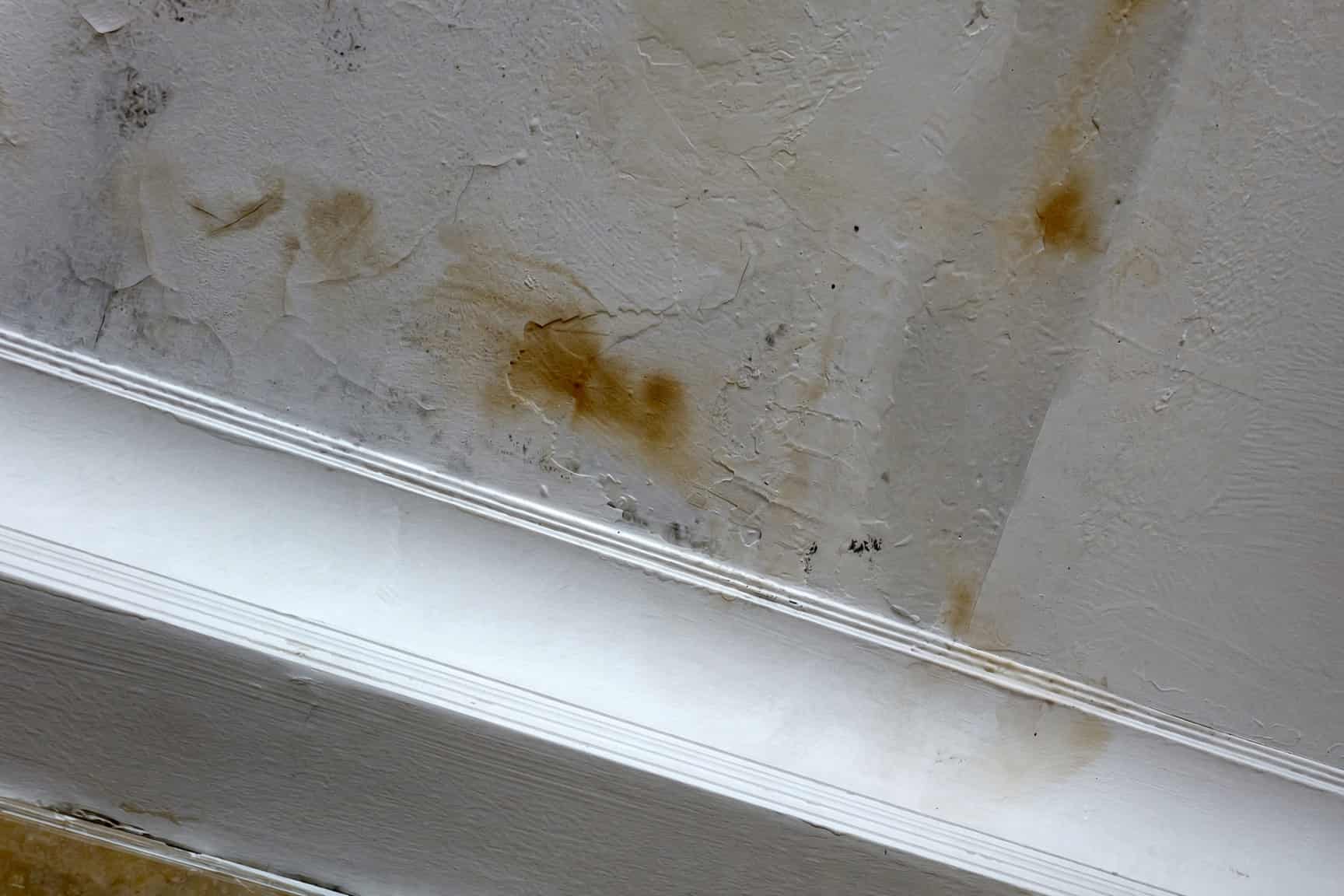
A roof leak, a plumbing failure, or an overflowing attic AC drain pan leaves the same evidence: brown stains, bubbling paint, soft spots, and sagging board. We don't guess at any of it. A moisture meter tells us whether the board is truly dry or just dry to the touch, and we won't close anything up until the leak is confirmed fixed.
Solid board gets sealed with a stain-blocking primer so the ring can't bleed back through the paint; soaked board gets cut out to the framing and replaced. Either way, the finish is feathered wide and texture-matched until the repair is invisible. Full details are in our water damage repair guide below.
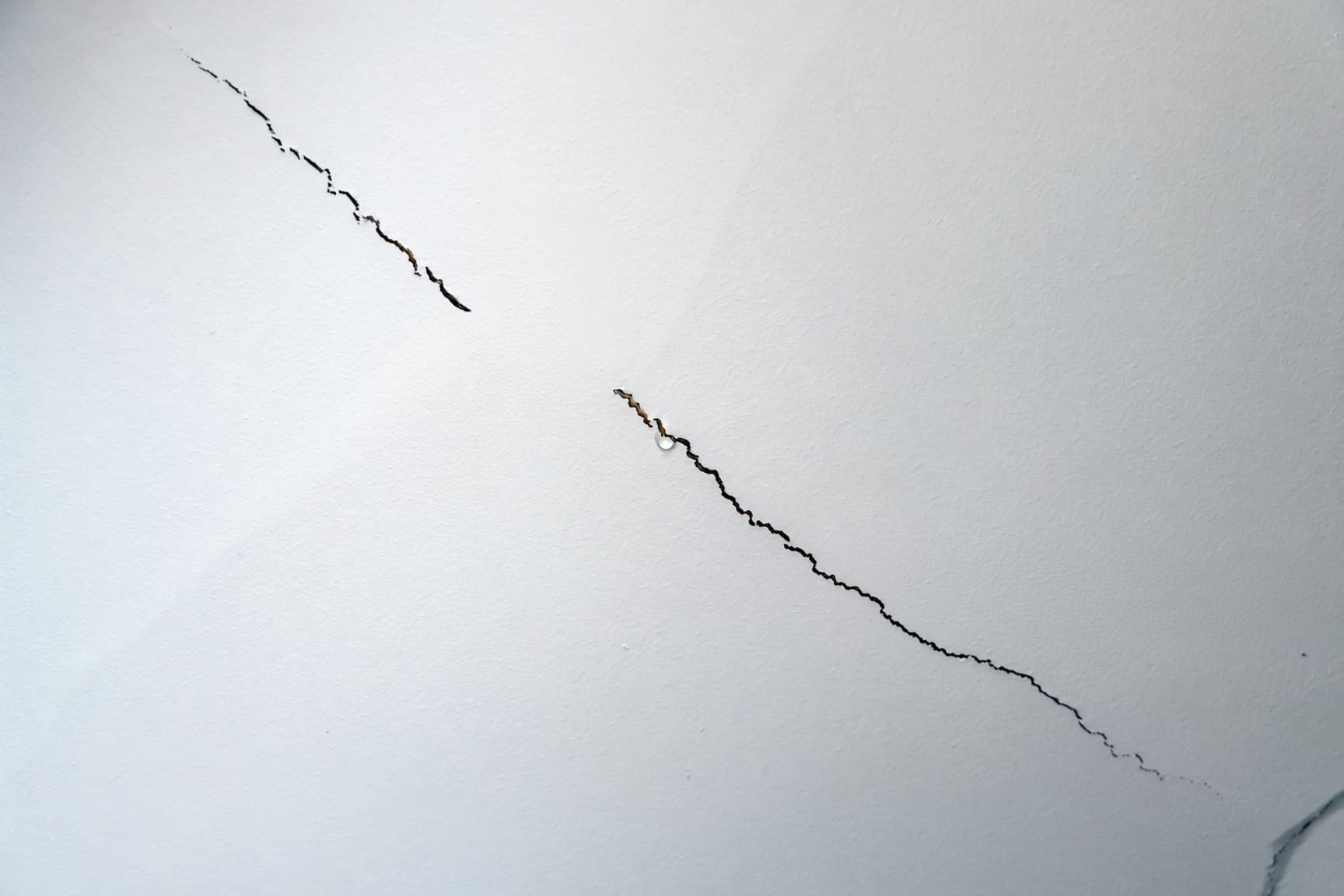
We repair every kind of ceiling crack: hairline cracks, straight cracks along drywall seams, spiderweb cracking in plaster, and the corner cracks that open every winter in newer Wake Forest and Holly Springs homes as the roof framing lifts with the season (a quirk called truss uplift). The shape of the crack tells us what caused it, and the cause decides the right fix.
We don't just fill the crack and repaint, because a filled crack reopens as soon as the ceiling moves again. Instead, we remove the failed tape and re-tape the seam, finish truss uplift corners so the drywall can flex without tearing, and re-secure anything loose before refinishing. Our guide to understanding ceiling cracks covers which cracks are harmless and which need attention.
▤
Ceiling Hole Repair & Patching
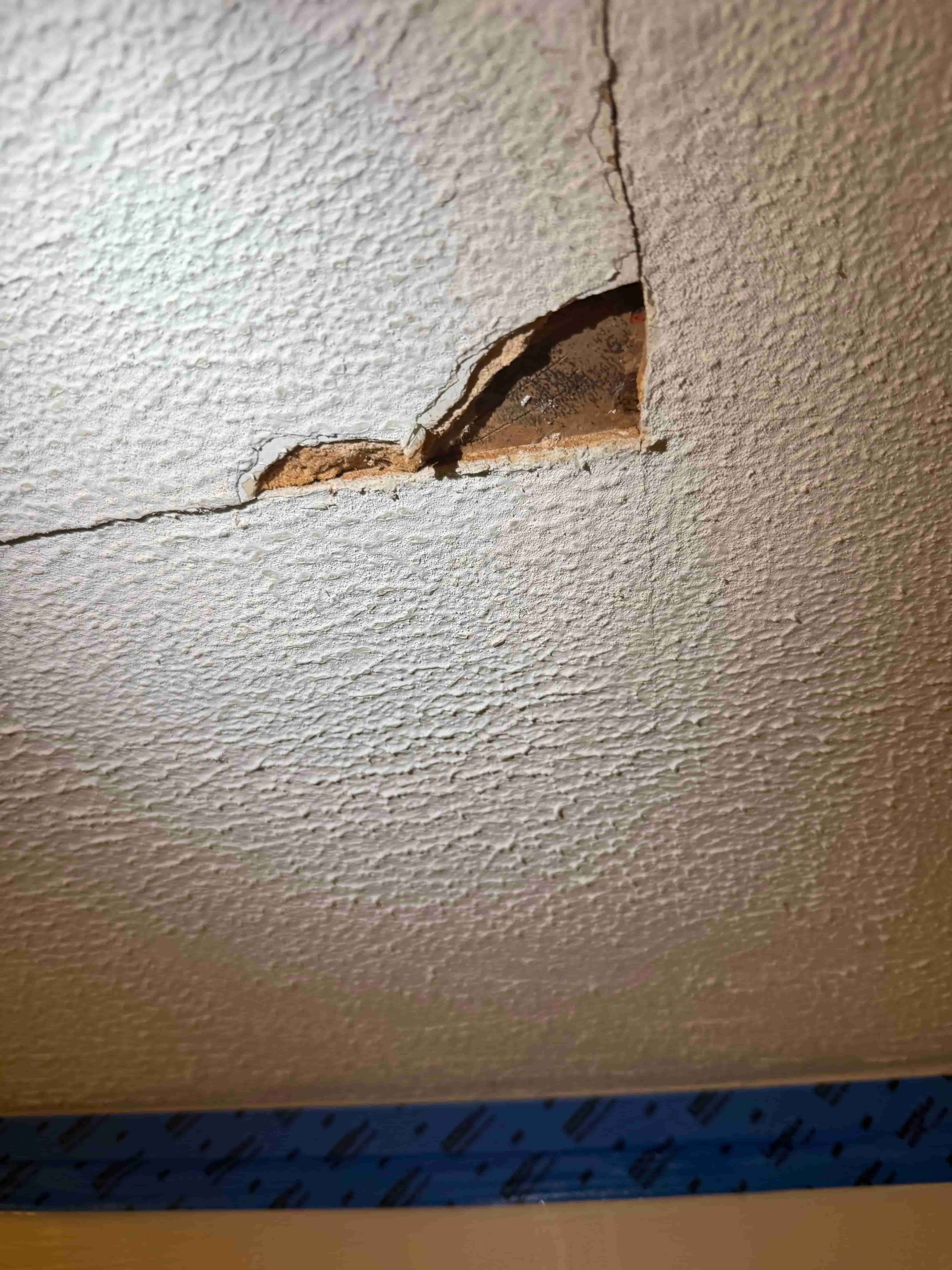
Most of the ceiling holes we patch in Raleigh come from work on the house: access holes cut by plumbers and electricians and never closed back up, gaps left behind when an old light fixture, fan, or vent comes down, and sections cut out after a leak. The rest come from the attic, where one step off a joist goes straight through the drywall. With so many Raleigh homes keeping the HVAC unit up there, that one happens more often than you'd think.
Every hole gets cut back to clean edges and backed with solid material, because a patch without backing flexes and cracks within a year. Then we install new board, feather the finishing coats wide, and blend in the surrounding texture so you can't find the spot afterward.
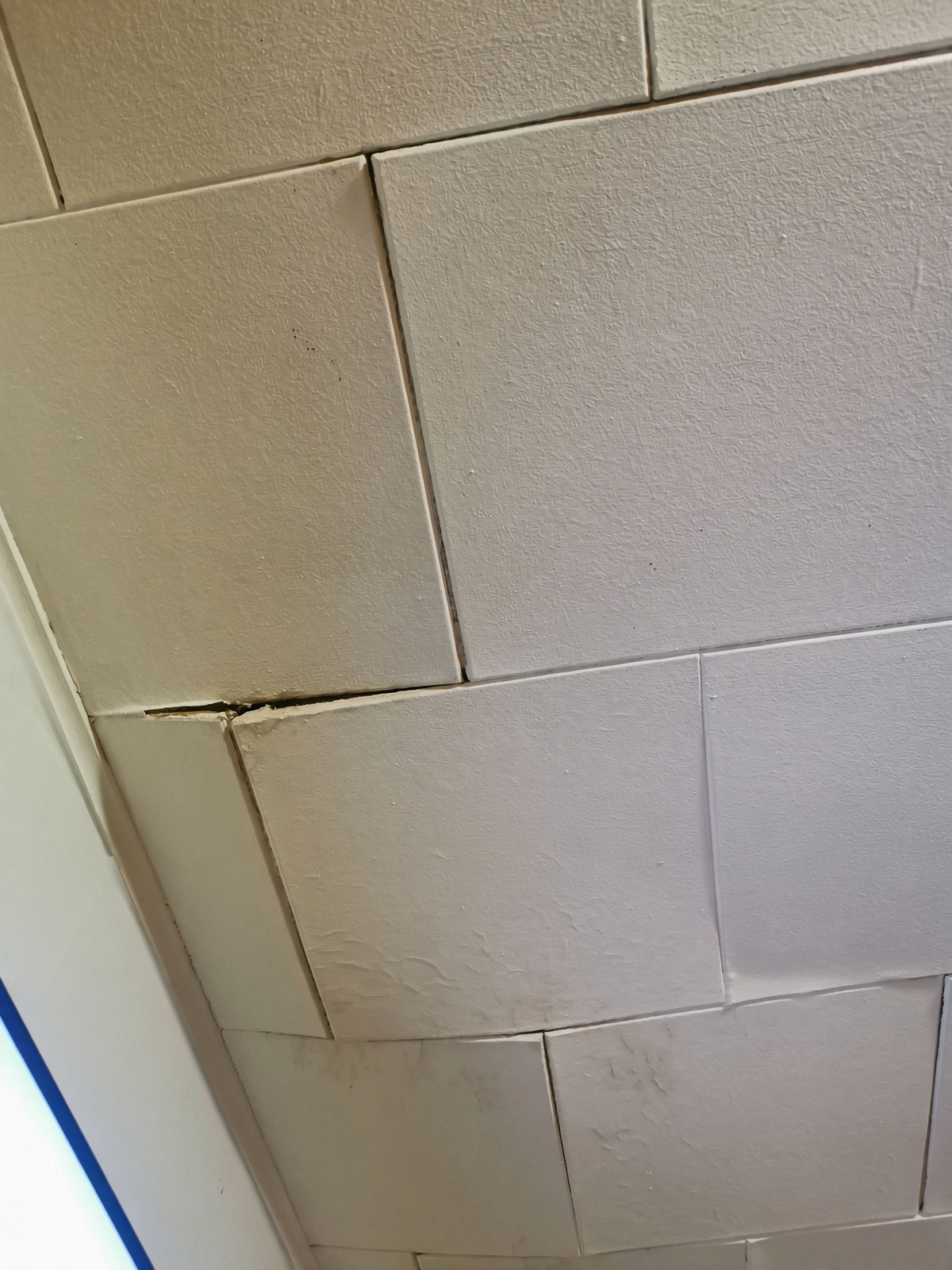
Ceilings sag for three reasons: moisture-weakened drywall, nail-fastened board pulling loose (common in the 60s and 70s ranches around North Hills and Crabtree), or plaster separating from its lath. We press the surface, meter for moisture, and check the attic side where there's access.
The fix depends on the cause. A ceiling that's dipping because the fasteners let go can usually be screwed back tight and skim coated for a fraction of replacement cost. A ceiling sagging from water needs the soaked section replaced. And if yours is drooping fast or you hear cracking, call us today, because we handle emergency repair and replacement too.
⬒
Drywall Ceiling Repair & Replacement
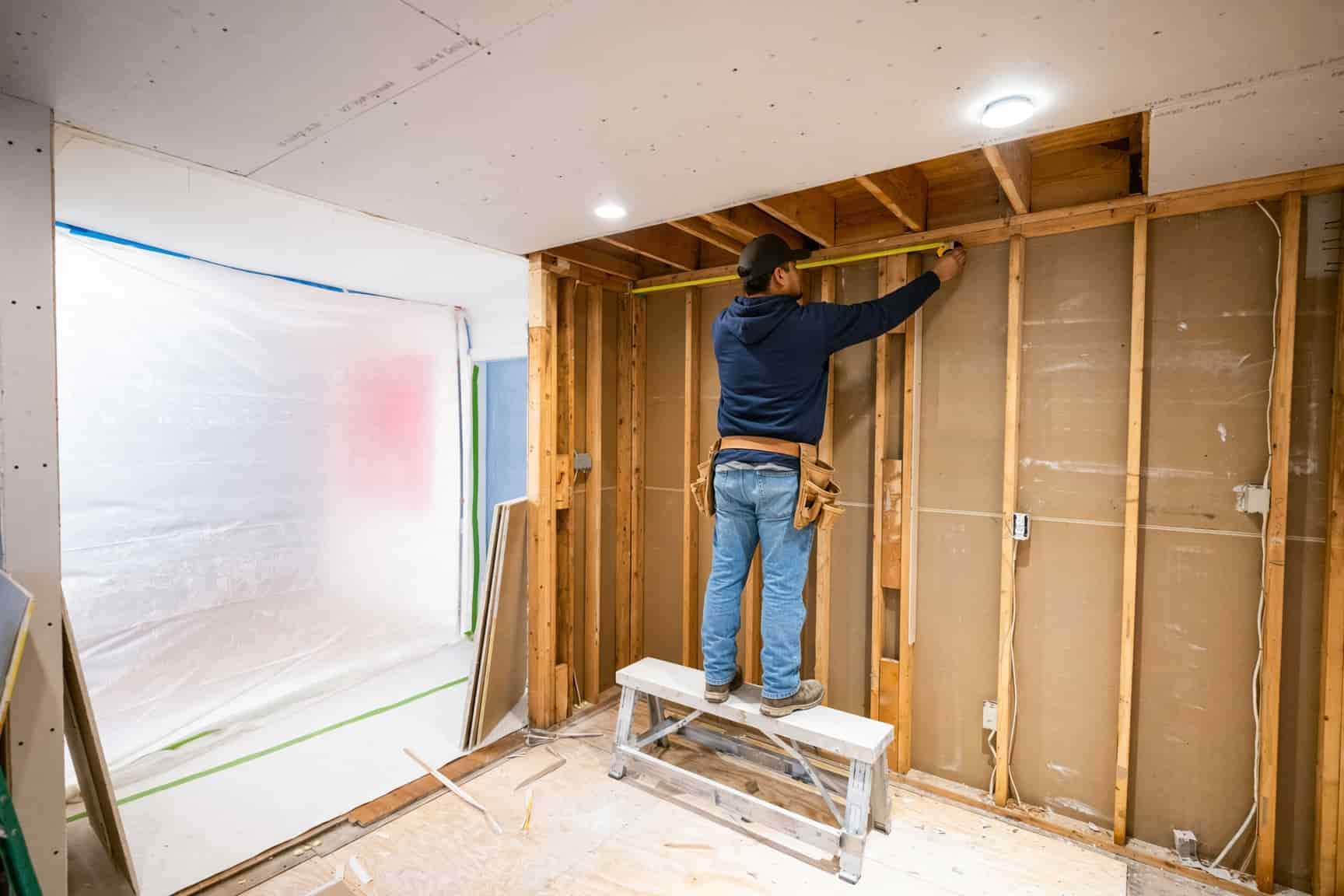
We handle everything from patching one damaged section to tearing out and re-hanging a whole room's drywall ceiling. We use board made for ceilings, which is stiffer than wall drywall so it won't sag between the joists, and we tape and coat every seam properly so the joints stay invisible after painting.
Ceilings get judged in the harshest light in the house, because daylight skims across them and highlights every bump a wall would hide. That's why we can finish every ceiling to a Level 5 smooth. Need help with the walls too? Our Raleigh drywall contractor page covers wall repairs and replacements.
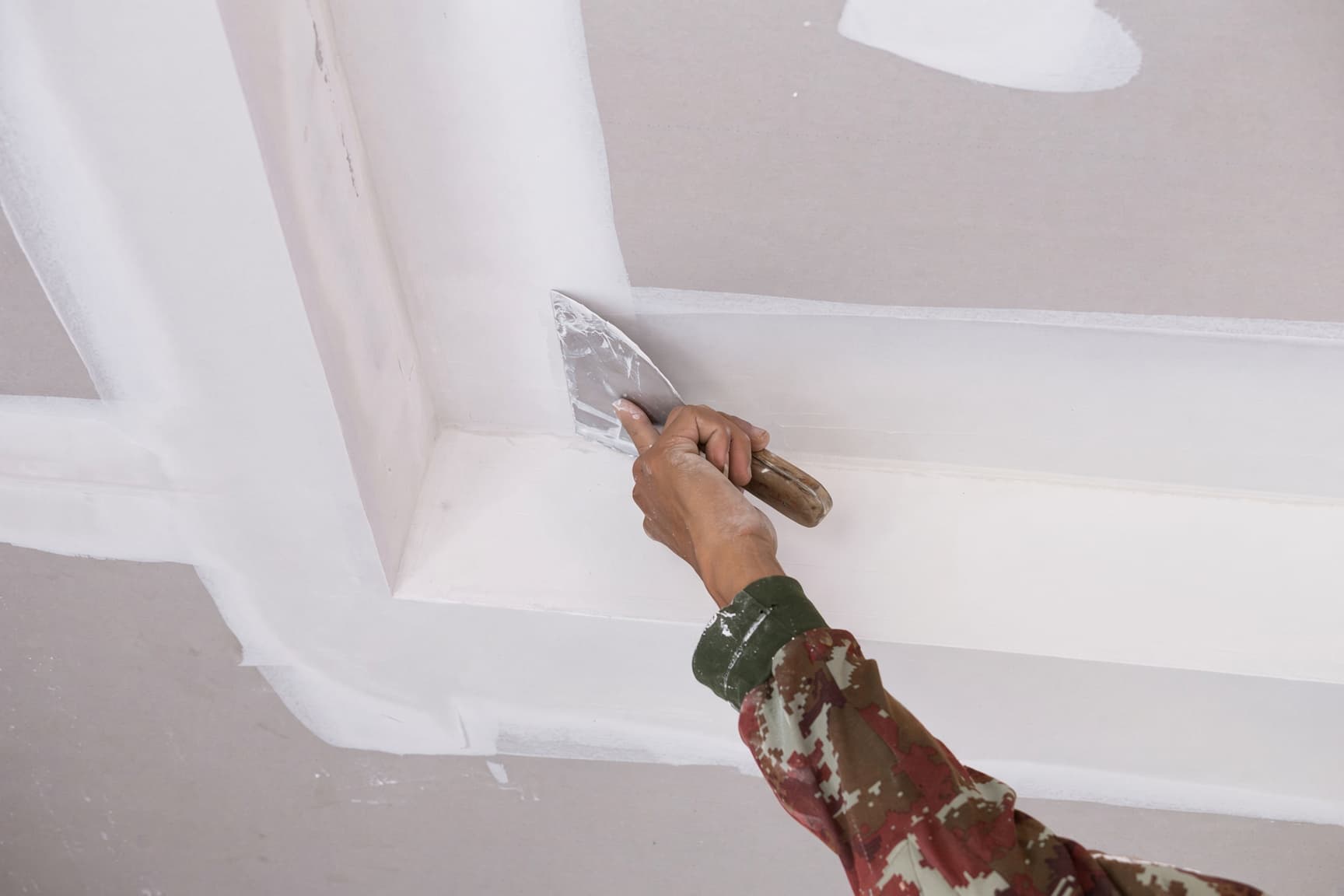
Many older homes still have their original plaster ceilings, from Oakwood and Five Points inside the Beltline to Durham's Trinity Park. Plaster doesn't fail like drywall. It was spread over wood strips called lath, and it holds on by gripping through the gaps between them. When those grips break with age, whole sections separate from the wood behind them and hang loose.
If your plaster can be saved, we reattach it to the lath with adhesive and special washers that pull it back tight. If a spot is beyond saving, we patch it with materials that behave like the original plaster, then smooth the surface so old and new blend into one ceiling. And when a section is no longer sound, we walk you through your options on replacement.
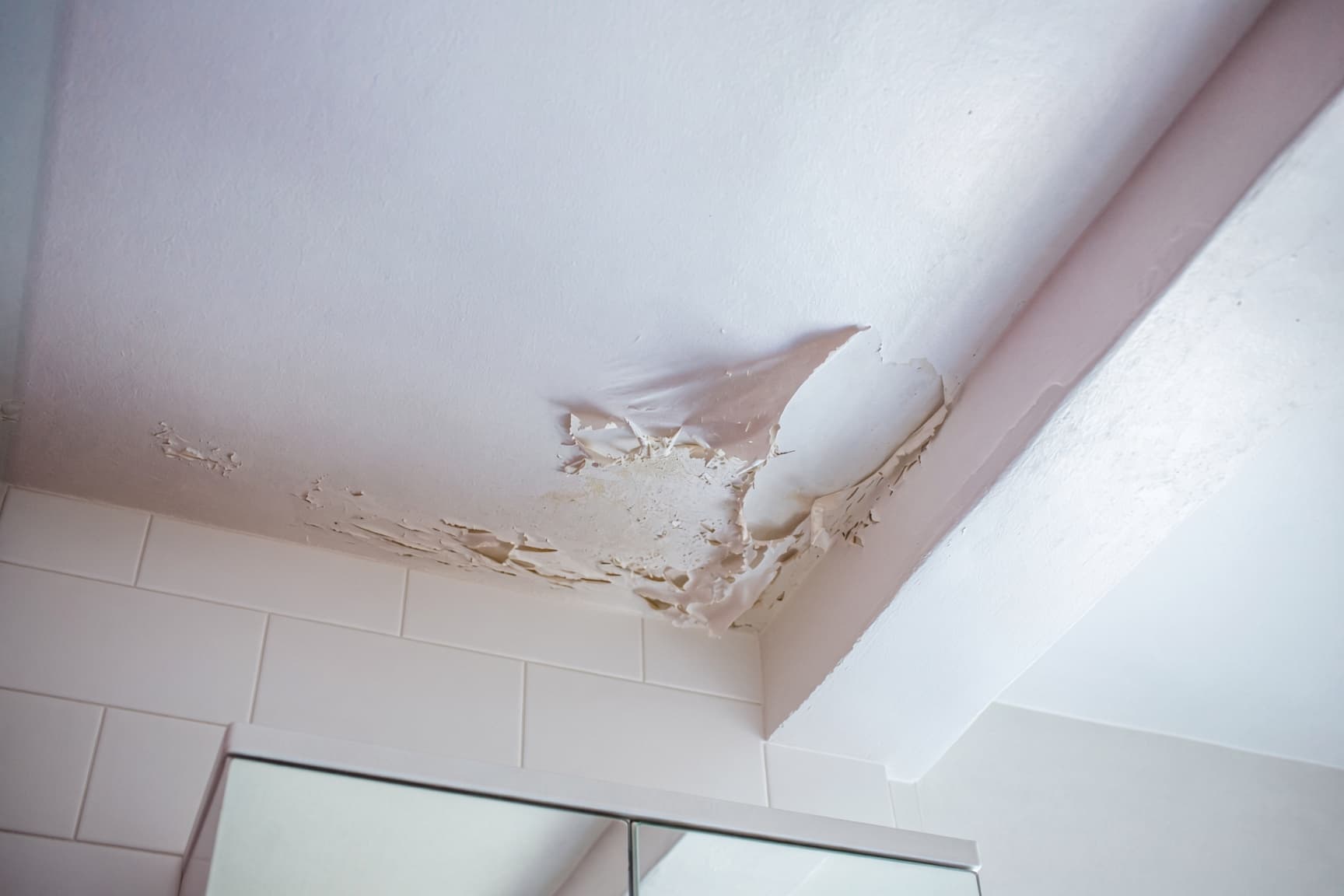
Most bathroom ceiling damage isn't a leak from above. It's shower steam. When the exhaust fan can't keep up, and in Raleigh's humid summers many can't, the moisture settles on the ceiling day after day: paint peels above the shower, mildew spots keep coming back, and the surface slowly softens.
A repair only lasts if the moisture problem is fixed too. So we replace damaged areas with drywall made to handle humidity, seal mildew stains with a primer that keeps them from bleeding back through, and repaint with a bathroom-grade paint built for daily steam. We'll also tell you if your exhaust fan is too weak or venting into the attic instead of outside, because that's often the real problem. More details in our bathroom ceiling repair deep-dive.
〰
Popcorn & Textured Ceiling Repair
Repairing a textured ceiling is really two jobs. First we fix the damage itself. Then we rebuild the texture over the patch, whether that's popcorn, knockdown, orange peel, stipple, or slap brush, and we practice the match on a test area before spraying your ceiling.
New texture also comes out brighter than a ceiling that's aged, so we tint it to match the older surface around it. Most patch jobs skip that step, and it's why so many repairs stand out as a bright spot. And if you'd rather get rid of the popcorn entirely while the ceiling is being worked on, that's our specialty: popcorn ceiling removal from $2 per square foot.
◫
Ceiling Skim Coating & Resurfacing
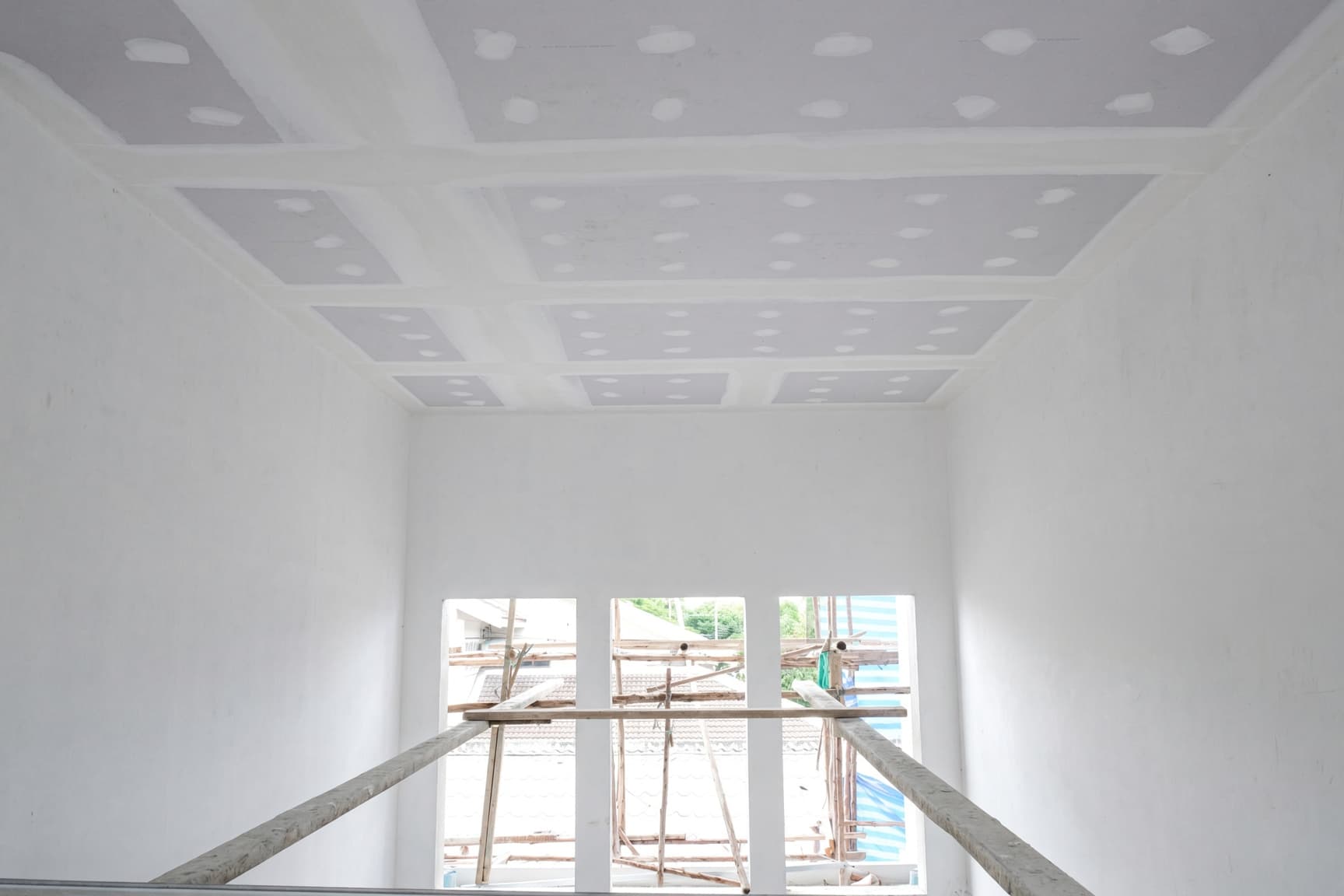
Some ceilings are structurally good but scarred by old patches, stained, or wearing a dated texture. Replacing a ceiling like that means paying tear-out prices for what is really a surface problem.
Instead, we skim coat the entire ceiling to a fresh smooth finish for a fraction of replacement cost, sanding between coats with HEPA vacuums and checking the surface under raking light.
🏠
Garage & Screened Porch Ceiling Repair
Many two-story homes in Raleigh have a bonus room over the garage, and the garage ceiling under it isn't ordinary drywall. It's a fire barrier, built from thicker fire-rated board that code requires there (5/8-inch Type X). So when plumbing or HVAC lines above stain or soak it, the repair has to use that same board to keep the protection intact. We put the correct board on the quote instead of patching with standard drywall.
Screened porch ceilings, on the other hand, are a Carolina tradition. The problem is the beadboard and plywood up there swell, stain, and peel through our humid summers. Don't worry, we can repair and refinish porch ceilings too.
▣
Drop Ceiling Repair & Tile Replacement
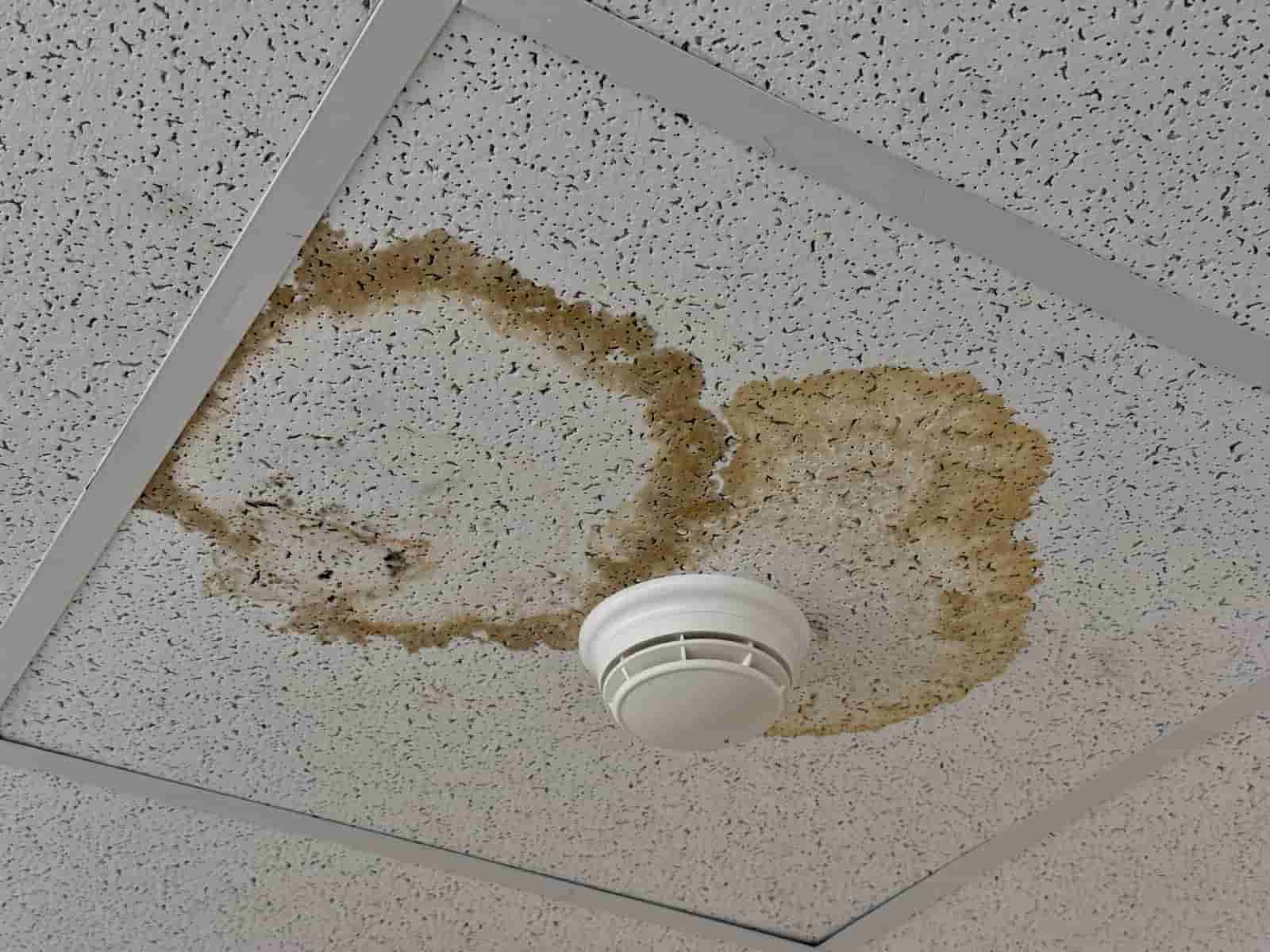
Drop ceilings, the 2x2 and 2x4 tile grids, are everywhere in Raleigh's offices, shops, rentals, and churches, plus the finished basements that do exist here, usually in homes built into the Triangle's sloped lots. Their weakness is water: one leak or sweating pipe above the grid can stain a dozen tiles at once.
The fix is simple and cheap. We swap the damaged tiles and match the pattern so the new ones don't stand out, track down the closest match when your tile has been discontinued, and replace the whole grid if it's sagging or dated. The work is priced per tile, so a small fix stays a small bill.
≋
Wood, Tongue-and-Groove & Tin Ceiling Repair
Wood ceilings are all over the Triangle: beadboard and tongue-and-groove on porches, shiplap in older homes and newer remodels, and original plank ceilings in the Craftsman bungalows around Five Points and Boylan Heights. Tin ceilings are rarer, mostly in historic downtown storefronts, and we repair those too. Our humidity is hard on all of them: boards warp, finishes stain, and seams work loose.
We fix these the way they were built. Damaged boards come out one at a time and get replaced with new ones cut to the same shape and finished to match, loose boards and panels get re-secured, and we check behind any wet spot before closing it up. The one thing we won't do is patch a wood ceiling with drywall mud, which is usually the shortcut we're hired to undo.