☎ (984) 208-2958
★★★★★ Serving Raleigh, Cary, Wake Forest & the Triangle

Raleigh Drywall Contractor.

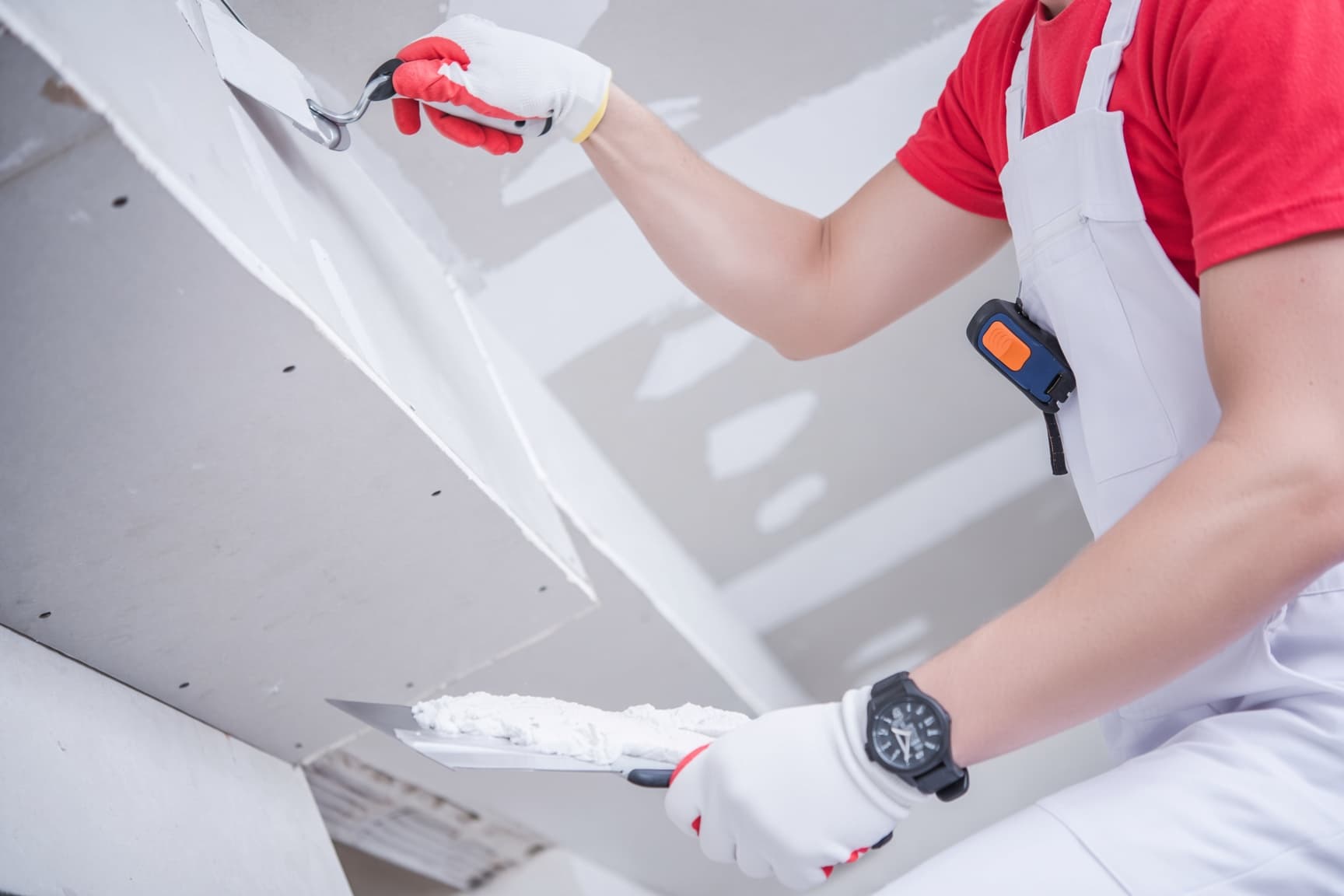
We handle drywall installation, repair, texture matching, and finishing all over Raleigh and Durham. Workmanship guaranteed, zero mess left behind.

  • Free, Fast Estimates
  • Licensed & Insured
  • Serving Raleigh-Durham for 10+ Years
A Contractor Who Knows Both Sides of the Beltline

Drywall Work Is Different Depending on Where You Live in Raleigh

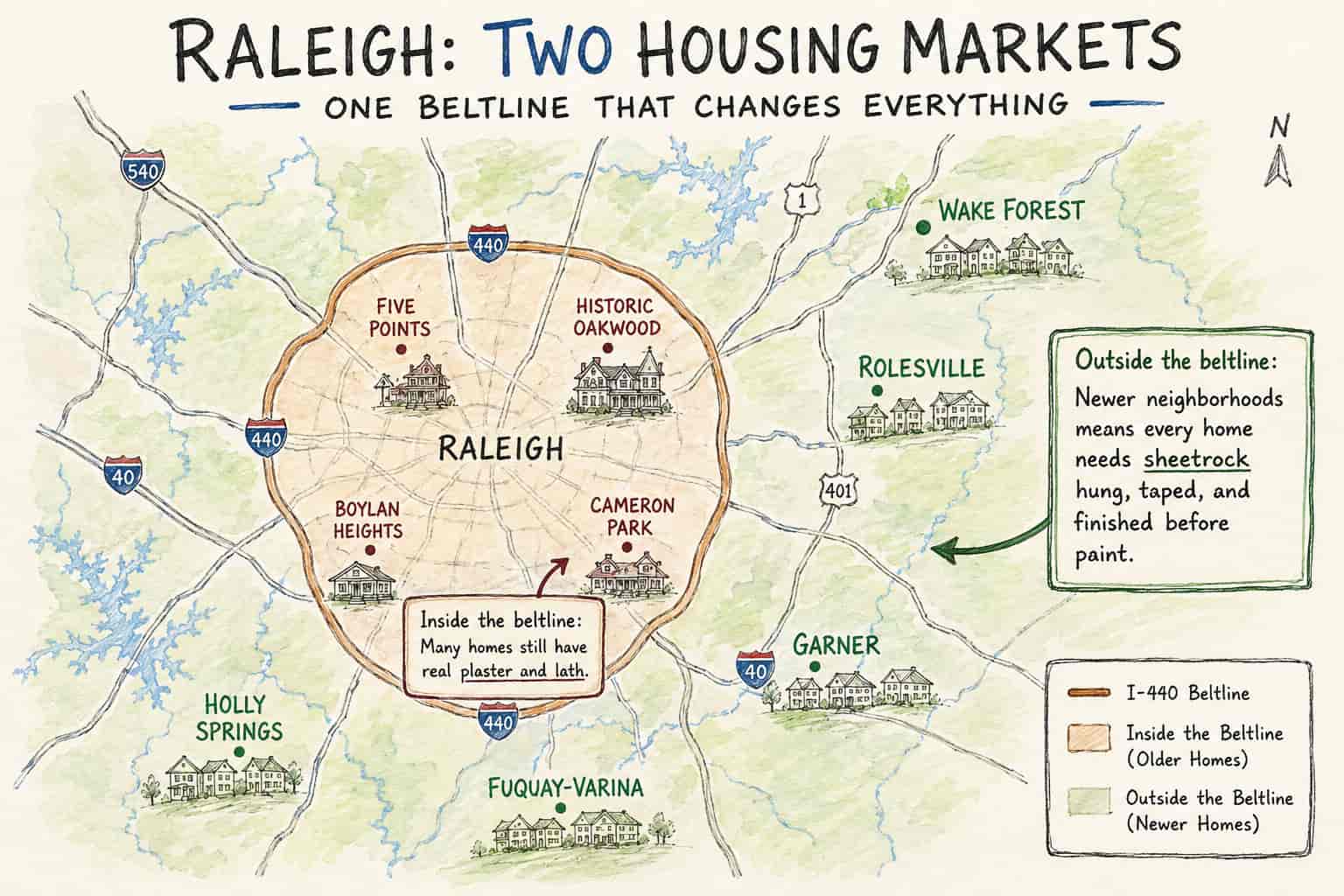
Drywall repair and installation map of Raleigh NC: plaster and lath homes inside the I-440 Beltline near Five Points, new drywall construction outside it in Wake Forest, Garner, and Holly Springs

Raleigh is really two different housing markets stitched together, and it changes what a drywall job looks like. Inside the beltline, in places like Five Points, Boylan Heights, Historic Oakwood, and Cameron Park, plenty of homes still have real plaster and lath behind a layer or two of paint, and some ceilings were popcorn-sprayed over that plaster decades ago. Outside the beltline is a different story entirely: Wake Forest, Fuquay-Varina, Holly Springs, Garner, and Rolesville have added whole neighborhoods in the last few years, and every one of those houses needs sheetrock hung, taped, and finished before a single coat of paint goes on.

A contractor who's only ever hung new construction will treat an aged plaster wall like drywall. The crack gets filled, not re-anchored to the lath behind it, so it reopens within the year and you have to pay twice for the same repair. We work both ends of that spectrum every week, so whether you're patching a nail pop in a 1925 bungalow or finishing 2,400 square feet of fresh sheetrock in a spec home off US-1, we already know what your ceiling and walls are dealing with before we walk in.

We handle everything from a single patch to a whole-house re-drywall, for homeowners, landlords, remodelers, and general contractors who need a reliable drywall subcontractor. Wherever your house sits, four things come standard with us:

We Do The Hardest Drywall Finishing Work

We spend a lot of time skim coating ceilings to a Level 5 finish, because that's what popcorn ceiling removal demands. A ceiling gets raked by light from every window, so there is nowhere to hide a lazy joint. So when we patch your wall or hang your basement, you get that ceiling-grade standard on everything.

Small Drywall Repairs Are Welcome

Many drywall companies in Raleigh chase new construction and won't return a call about nail pops and a doorknob hole. We carve out time for you. Repairs start at $150, most patch jobs are done in one visit, and we'll tell you on the phone if something is small enough to DIY instead.

Dust-Free Drywall Work

Sanding joint compound produces fine, invasive dust. It finds your electronics, your HVAC returns, and every bookshelf in the house. This is why we hang plastic containment, seal vents, run HEPA vacuum sanders, and clean up thoroughly. It's the same Zero Mess Guarantee we stake our popcorn removal work on.

Upfront Drywall Pricing Before We Start

You get a number at your free estimate and that's the number, even if a patch needs an extra coat or a texture takes two tries to match. If we open up a wall and find something genuinely different than expected, like hidden water damage, we stop and talk to you. No mystery invoices at the end.

What We Handle

Drywall Repair & Installation Services in Raleigh

Here's everything we cover, from bare studs to the final coat of primer. If you don't see your project below, give us a call. Drywall work rarely fits neatly into a list.

Drywall & Sheetrock Repair: Holes, Cracks & Nail Pops
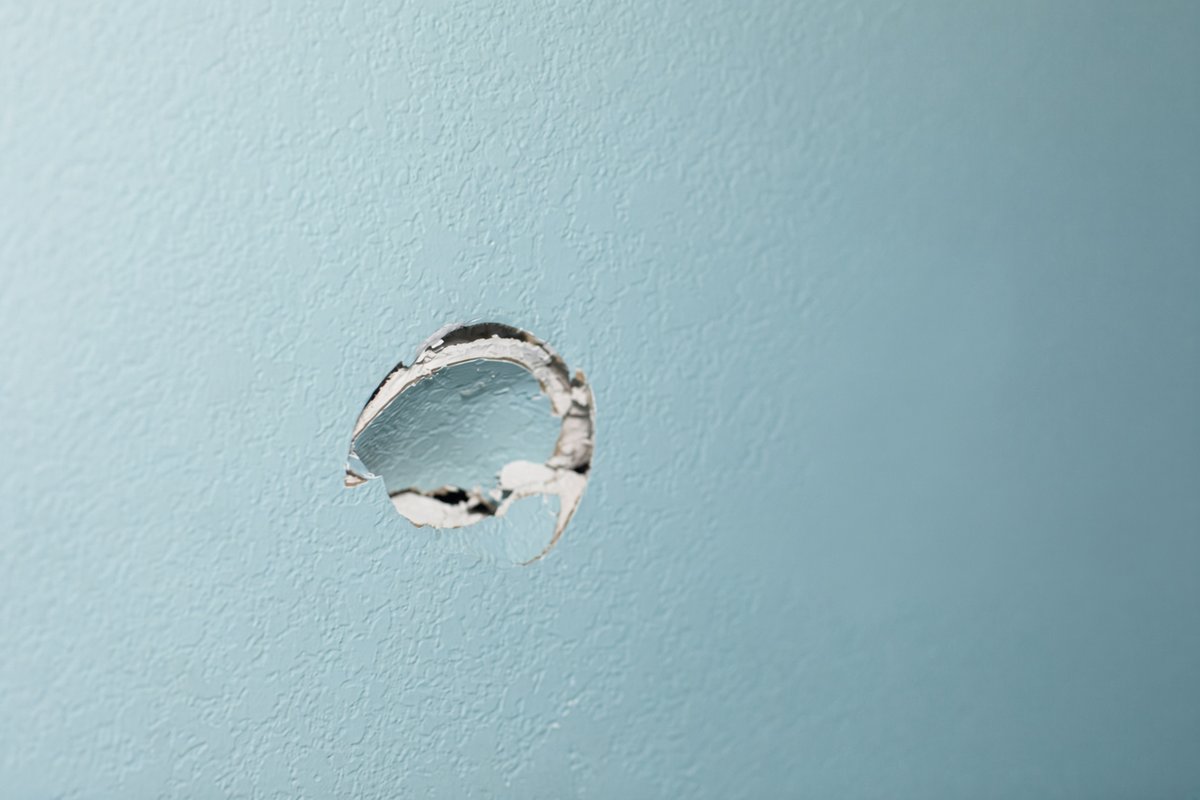
Repairing a doorknob hole in a Raleigh home's drywall

We've seen it all, from doorknob holes to towel-bar anchors that ripped out, moving-day dents, old thermostat cutouts, and nail pops in Raleigh's '90s and 2000s builds as framing dries and moves.

We cut damage back to solid board, patch with real backing so it never flexes or cracks again, then feather wide and match your texture. We also regularly do this for move-out repairs, pre-listing touch-ups. We batch small repairs in one visit, which keeps them quick for us and fairly priced for you.

  • Hole in the wall repair with solid backing, from doorknobs to full punch-throughs
  • Drywall crack repair re-taped at the seam, so settling cracks don't come back
  • Nail pop repair secured with screws, not just spackled over
  • Wall patching before you sell, list, or hand back a rental deposit

Ceiling Drywall Repair & Replacement

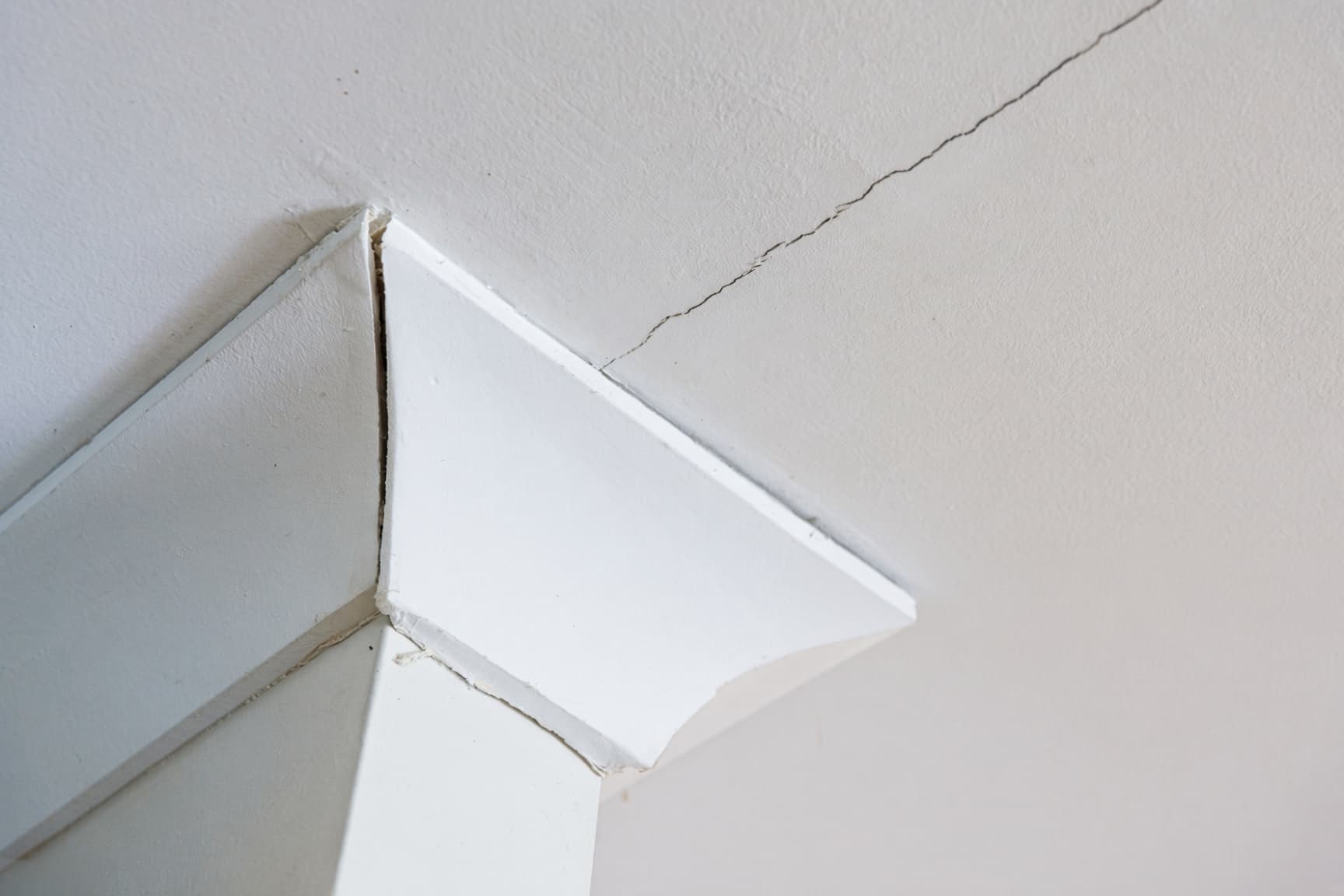
Ceiling drywall cracks along a seam in a Raleigh home before repair

Sagging sheetrock, cracks along the seams, a stain from an old leak, or the crack where a top-floor ceiling meets the wall every winter. That last one is truss uplift, and North Raleigh is full of it. Ceiling work is heavier and messier than wall repair, which is why a lot of handymen pass on it. But we do this work every week.

We contain the room, cut out the bad section, hang new board, and blend the finish into the rest of the ceiling, whether that's smooth, knockdown, or an '80s stipple.

  • Sagging and water-damaged ceiling drywall replaced
  • Seam cracks and truss uplift fixed so they stay fixed
  • Texture matched so the repair disappears in afternoon light
  • Full dust containment, your furniture and floors stay clean

Water Damage & Mold-Affected Drywall Repair
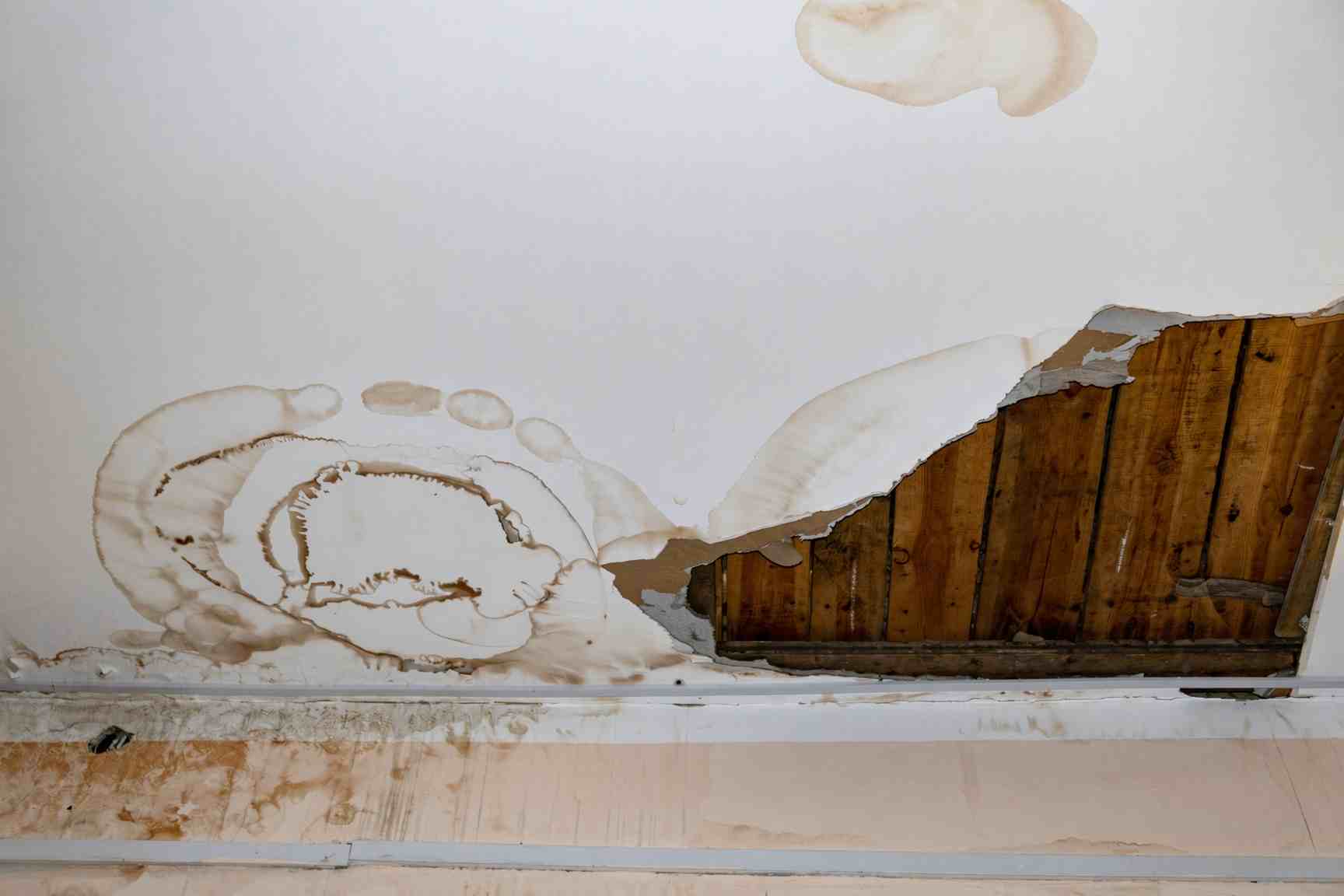
Water damaged ceiling drywall being cut out in a Raleigh home

Wet drywall doesn't dry back to normal. It stains, sags, crumbles at the edges, and once the paper facing has soaked through, the board is done. Around Raleigh the usual culprits are roof leaks after a summer storm, an upstairs bathroom, or the attic air handler with a clogged condensate line quietly ringing the ceiling below it.

Get the source fixed first, then call us. We remove the compromised board, put a moisture meter on the framing and cavity before anything gets closed, hang new drywall (moisture-resistant where the room calls for it), seal the stain so it can't ghost through fresh paint, and blend the finish. And if opening the wall turns up a job for a plumber or a mold specialist, we stop and show you what we found rather than burying it behind new board.

  • Water damaged drywall removal and replacement, walls and ceilings
  • Moisture checked with a meter before anything gets closed up
  • Stain-blocking primer on every water repair, so rings never bleed through
  • Photos and an itemized scope for your insurance claim

Drywall Installation & Hanging

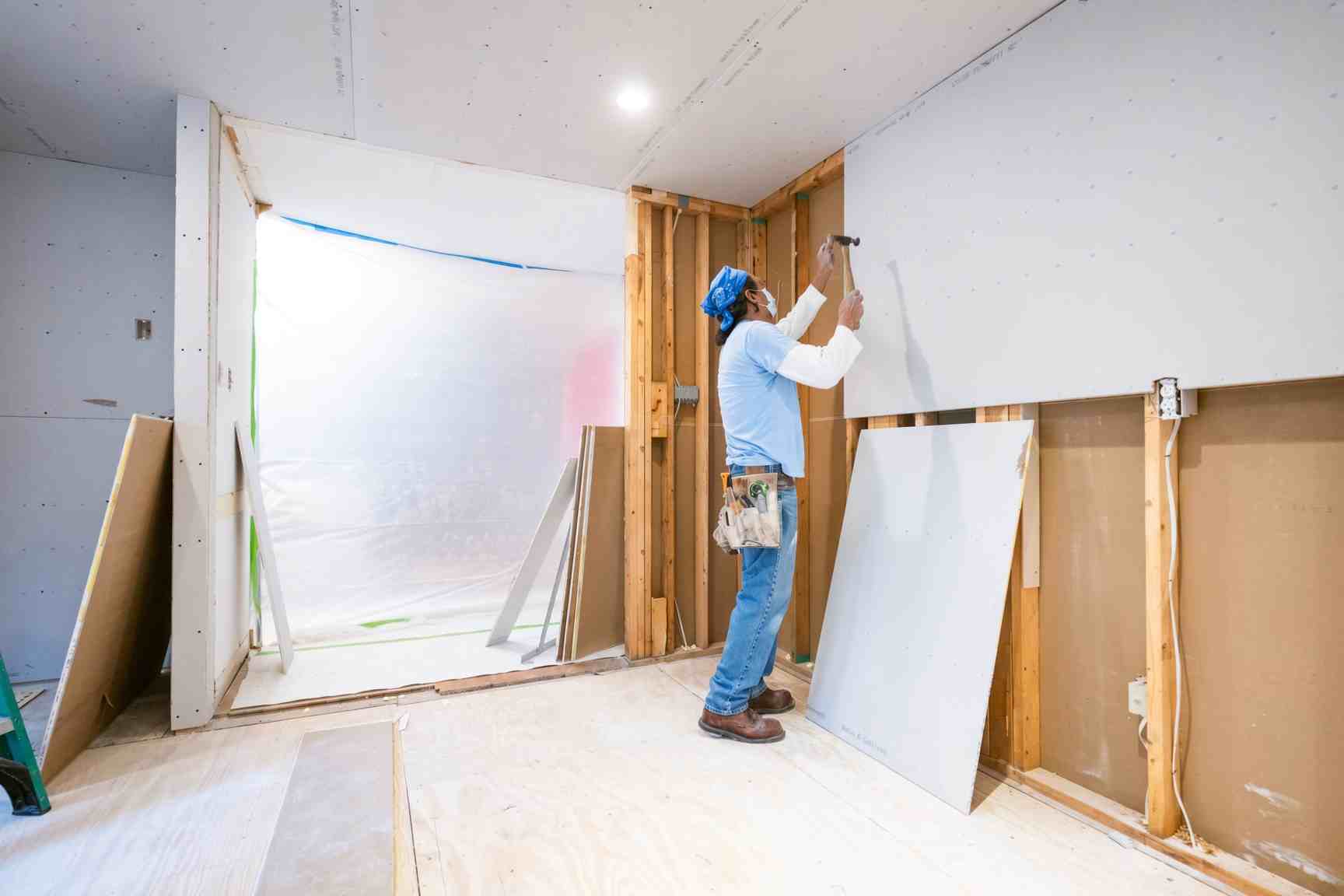
New drywall hung and taped in a Raleigh home

This includes room additions, garages, basements, attic conversions, finishing the FROG over the garage, or turning a screened porch into a real sunroom. We check framing before we hang, stagger seams to minimize cracking, screw to code pattern, and use the right board for each room: standard 1/2", 5/8" Type X where fire code calls for it, moisture-resistant in baths and laundry.

We work with your general contractor or directly with you, from a single room to a whole spec home off US-1, and the schedule we quote is the schedule we keep.

  • Drywall hanging, taping, and finishing for additions, garages, and basements
  • Bonus rooms, FROGs, and attic conversions insulated spaces finished into real living space
  • Finished to the level the room needs, garage-grade to Level 5 smooth
  • Reliable drywall subcontractor for GCs, builders, and remodelers

Drywall Taping, Mudding & Finishing

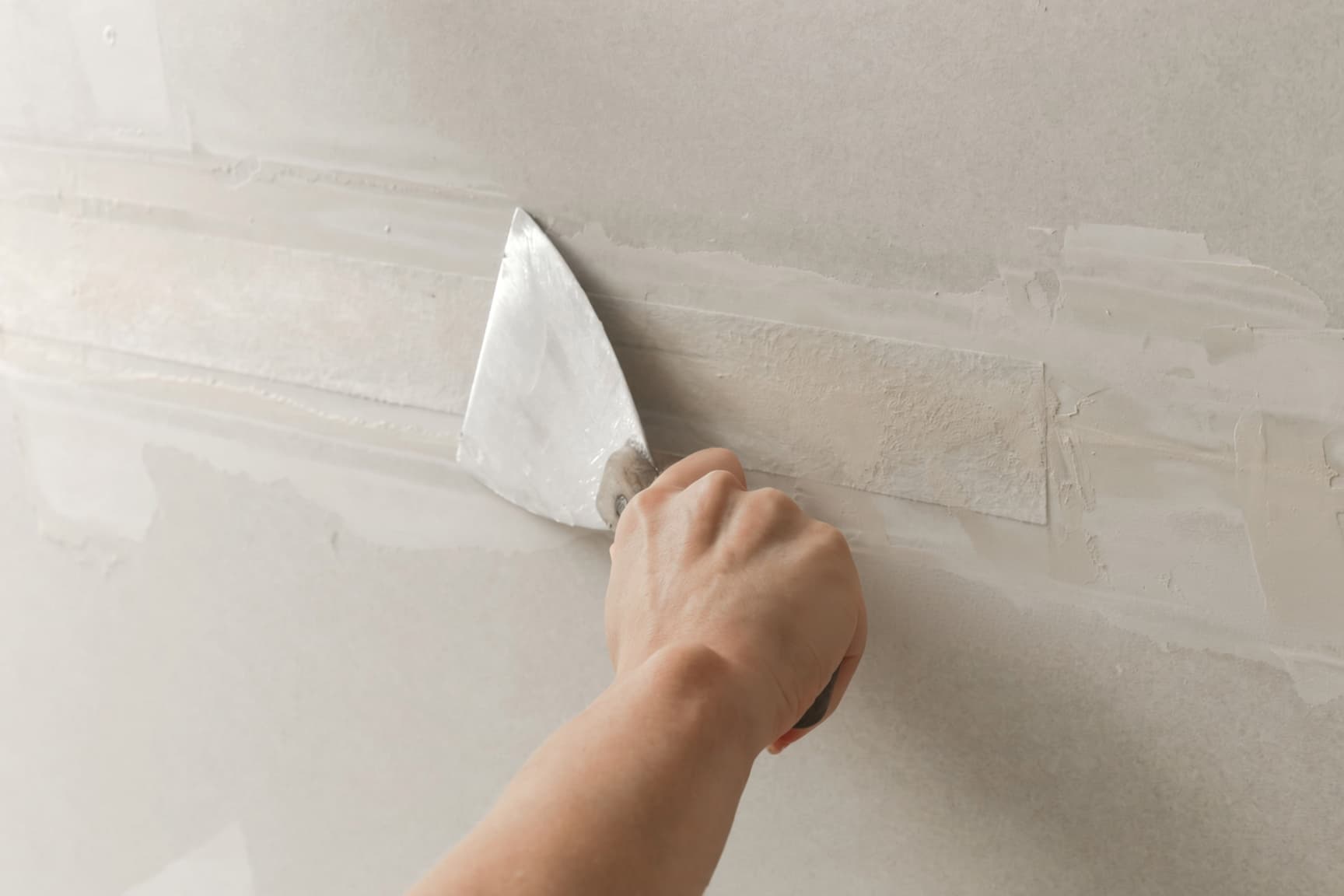
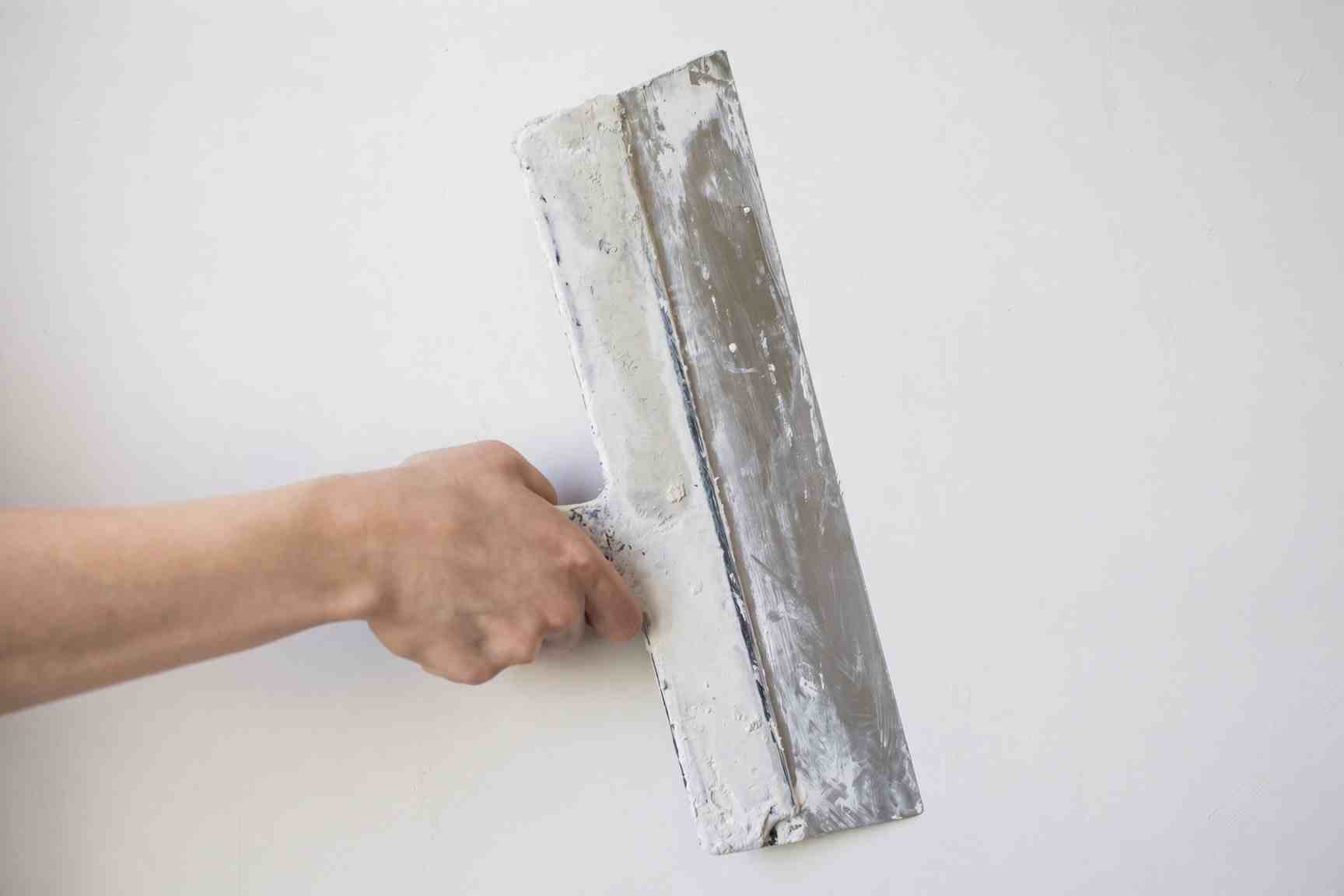
Taping and mudding drywall seams with joint compound in a Raleigh home

Hanging board is labor. Finishing is the craft, and it's what separates a wall that looks seamless from one that shows every joint once the sun hits at an angle. We tape and coat every seam and screw head, feather each coat wider than the last, and sand between passes until there's nothing left to see.

We also do finish-only work. If you hung the board yourself, or your GC's finisher isn't around, we'll pick it up from there, including cutting back and redoing joints.

  • Taping and mudding to Level 4 or Level 5, sanded between coats
  • Finish-only service for DIY and contractor-hung drywall
  • Bad seams and cracked joints cut back and re-taped right

Skim Coating & Level 5 Smooth Walls

Skim coating textured walls to a smooth finish in Raleigh

If you're done with textured walls, we have the fix. We float thin coats of compound over the old surface, and sand it flat. It's the same Level 5 work we do on ceilings after popcorn removal. Many of our skim-coat calls come right before a listing, because flat walls photograph like a newer house.

One thing to know going in: smooth hides nothing. Every seam and shallow spot shows if the work is rushed, so we build the surface in several passes and hold a light against the wall before we call it finished. Our finish level guide covers when Level 5 is worth it and when Level 4 will do.

  • Skim coating over orange peel and knockdown for smooth modern walls
  • Wall texture removal, taken to a flat Level 5 finish
  • Wallpaper tear-out damage skimmed and made paint-ready

Wall & Ceiling Texture Matching

In most of the "bad patch" photos people share with us, the repair itself is fine, but the texture around it is what gives it away. A patch has to disappear into the surrounding texture or the wall looks worse than before anyone touched it.

We match orange peel, knockdown, skip trowel, and the hand-slapped stipple and crow's foot all over '70s and '80s Raleigh, adjusting mix and technique until a test board blends into what's on your wall today, paint layers and all. Full breakdown in our texture guide below.

  • Wall texture matching for orange peel, knockdown, and skip trowel
  • Hand-applied ceiling textures recreated, stipple and crow's foot included
  • Other contractors' visible patches fixed and blended for good

Popcorn Ceiling Removal

This is one of our most requested services. Full popcorn removal with dust containment, skim coating, and a smooth or knockdown refinish, backed by our Zero Mess Guarantee.

Everything about it lives on our popcorn ceiling removal page. If your drywall project includes dated ceilings, bundling both means we can give you an even better rate.

  • Wet-scrape removal with full dust containment and sealed vents
  • Smooth or knockdown finish, your choice
🏚

Plaster Repair for Older Raleigh Homes

Inside the Beltline, "drywall repair" often turns out to be plaster repair, and they are not the same job. Five Points, Hayes Barton, Oakwood, and Boylan Heights homes have plaster over lath, and a drywall-style patch on plaster almost always cracks back out.

To do this properly, we re-anchor loose plaster to the lath, repair cracks with methods that bridge movement, and make clean transitions to drywall where a section is too far gone to save.

  • Plaster crack repair that doesn't reopen next season
  • Loose and bulging plaster re-anchored to the lath behind it
  • Clean plaster-to-drywall transitions where replacement makes sense

Garage Drywall Installation & Fire-Rated Walls

The wall and ceiling between your garage and living space isn't optional drywall, it's a fire-rated assembly, and it's one of the most commonly flagged items on a Raleigh home inspection. Raleigh's new ADU rules have added garage conversions to this list too.

We install 5/8" Type X in the locations code requires and finish the rest of the garage to whatever level you actually need, which for most garages is far less than a living room - this can save you a few hundred dollars on your quote.

  • Fire-rated garage drywall installed to pass inspection the first time
  • Garage conversion and ADU drywall, hung and finished to spec
  • Honest finish-level advice so you don't pay living-room prices for a garage

Basement Drywall Finishing

Finishing drywall over framed foundation walls in a Raleigh basement

A finished basement should feel like part of the house, not a storage room with paint. We frame over foundation walls where needed, hang the right board for a below-grade space, and finish it to the same standard as the rooms upstairs.

Material choice matters greatly here. We spec moisture- and mold-resistant board around Raleigh's humidity and crawl-space moisture patterns, not whatever is cheapest at the supply house, because a basement wall that absorbs summer moisture will show it within a couple of years.

  • Basement drywall hung and finished over new or existing framing
  • Mold-resistant and paperless board where humidity demands it
  • Finish levels matched to how you'll actually use the space
🏢

Commercial Drywall & Multi-Family Projects
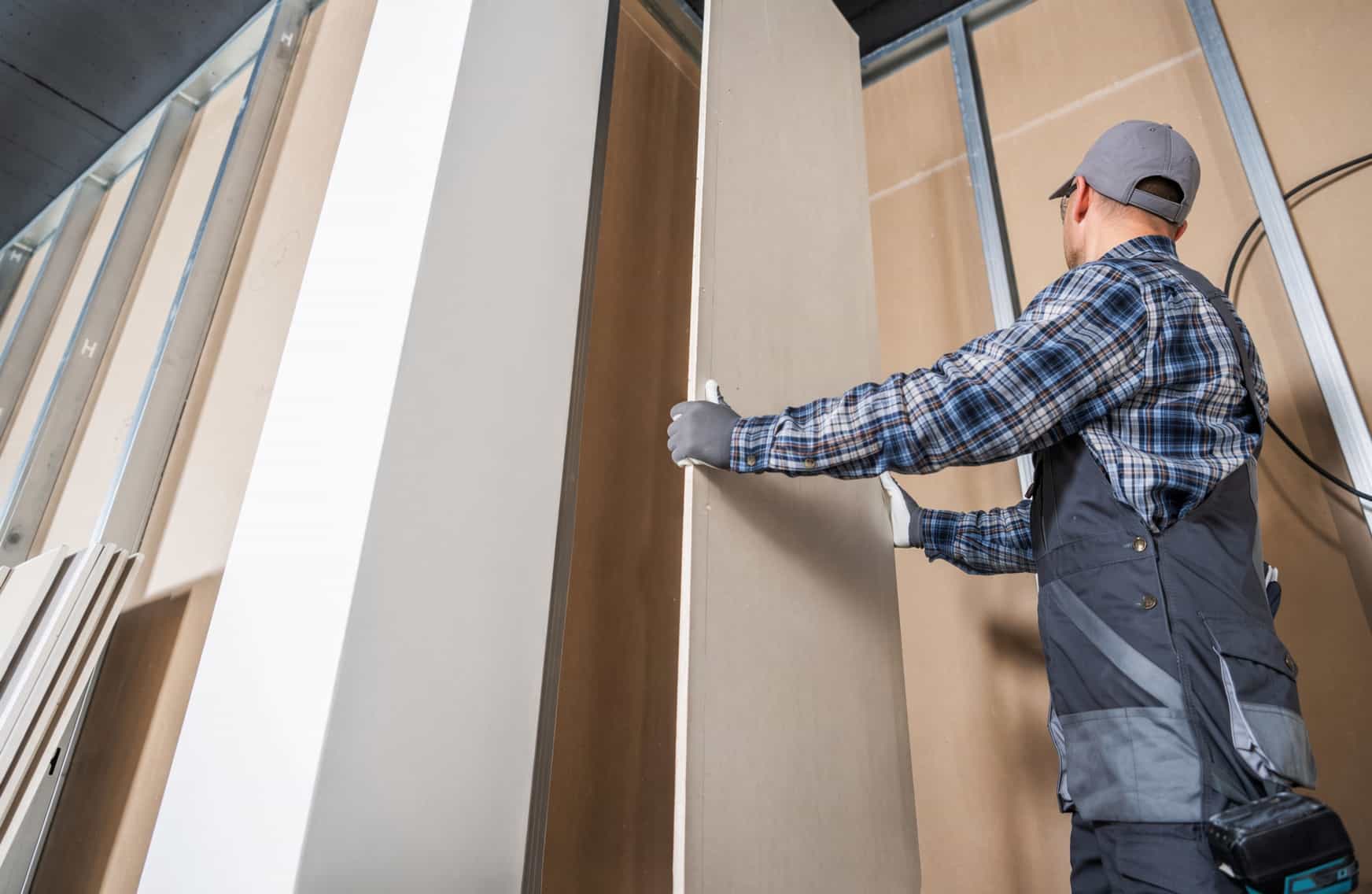
Commercial drywall installed in an office build-out in Raleigh

We handle office build-outs, retail fit-outs, and apartment and condo unit turns across the Triangle. Commercial work runs on different constraints than a home does, so we plan around occupied units, HOA hours, and tenant schedules, and we restore fire-rated shared walls to spec, since that's what the inspector and the property's insurance both expect to find.

Property managers get the most out of us in batches. We group unit turns into one efficient schedule and price multiple units or suites together, so the per-unit cost drops when you've got more than one on the list.

  • Commercial drywall build-outs and tenant improvement work
  • Apartment and condo turnover repairs on a schedule that holds
  • Multi-unit pricing when there's more than one to do

Materials Matter

Types of Drywall We Install in Raleigh Homes

Not all sheetrock is the same, and using the wrong type in the wrong room is how a bathroom ceiling ends up moldy or a garage wall fails inspection. Here's what actually goes into a Raleigh home.

Most Common

Standard (Regular) Drywall

1/2" white board, the default for most walls and ceilings in a typical home. Affordable, easy to work, fine for any room without unusual moisture or fire requirements.

Bathrooms & Laundry

Moisture-Resistant Green Board

Water-resistant paper facing for bathrooms, laundry rooms, and mudrooms. Note: green board is not rated for direct tub or shower contact; that calls for cement board instead.

Basements & Humidity

Mold-Resistant / Paperless Drywall

Fiberglass-faced board with no paper for mold to feed on. We spec this in basements, crawl-space-adjacent rooms, and anywhere Raleigh's humid summers make standard board a risk.

Garages & Fire Separation

Fire-Rated Type X (5/8")

Denser core with glass fibers for fire resistance. Required for garage-to-house separation walls and ceilings, and common in mechanical rooms and shared multi-family walls.

Shared Walls

Soundproof Drywall

Multi-layer, damped construction that cuts sound transfer far better than standard board. Popular for downtown condos, duplex shared walls, home theaters, and townhome shared walls.

Ceilings

Lightweight 1/2" & 5/8" Board

Lighter core with the same fire and strength ratings as standard board. Easier to hang overhead and less prone to sagging on ceilings over time, especially on wider joist spans.

The Step Most Contractors Skip Explaining

Drywall Finish Levels Explained (Level 0 to Level 5)

The drywall industry grades finish work on a 0-to-5 scale, and knowing where your project needs to land keeps you from overpaying for a garage or underpaying for a wall that will look out of place.

Level What It Looks Like Where It Belongs
Level 0–1 Bare board, visible seams and screw heads. Tape at most, and it looks unfinished because it is. Temporary walls, plenum spaces above ceilings, unfinished attic storage
Level 2 Seams taped and roughly coated. You can still see every joint, like the inside of most Raleigh garages. Garages staying garages, storage rooms, walls getting tile or cabinets
Level 3 Joints hidden well enough for heavy texture to cover the rest. It looks patchy until the texture goes on. Walls and ceilings getting knockdown or another medium-to-heavy texture
Level 4 Smooth and even in normal light. If you're in a typical Raleigh house, you're probably looking at Level 4 right now. The standard finish in most Triangle homes, under flat or eggshell paint
Level 5 A full skim coat over everything, dead flat even in harsh angled light. No seam shadows, no fastener ghosts. Smooth-wall remodels, dark or glossy paint, big south- and west-facing windows, post-popcorn ceilings

Most Raleigh homes are finished at Level 4. Level 5 is worth the upcharge in specific rooms, not the whole house; we'll tell you honestly which rooms need it at your estimate.

Getting the Patch to Disappear

Wall & Ceiling Texture Types We Match and Apply

A perfectly taped repair still looks wrong if the texture doesn't match what's already on the wall. Here's what we're usually matching in Raleigh homes.

Popcorn / Acoustic Texture

Bumpy, sound-dampening ceiling texture common from the 1950s through the 1980s. We remove it more often than we match it these days; see our full popcorn ceiling removal service.

Orange Peel Texture

Fine, subtle bumps sprayed on, resembling citrus skin up close. Common on walls in 1990s and 2000s Raleigh construction, and the easiest texture to match well.

Knockdown Texture

Sprayed like orange peel, then lightly flattened with a trowel before it sets, leaving soft, irregular patches. Around Raleigh, we see it most on ceilings in '90s-and-newer homes, where it took over after popcorn fell out of fashion.

Skip Trowel / Santa Fe Texture

Joint compound applied with a trowel and dragged to leave thin, angled ridges with gaps in between. Shows up in Southwestern-influenced and some custom-built Raleigh homes.

Hand-Troweled & Comb Texture

Includes Spanish lace, swirl, and comb patterns, all applied and shaped by hand rather than sprayed. More time-consuming to match, definitely worth hiring a pro!

Smooth (Level 5) Finish

No texture at all, just a flawless skim-coated surface. The most modern look and one we're very familiar with perfecting.

Matched to Your House

Drywall by Raleigh Neighborhood: What Your Home's Age Means for the Job

Your build year and neighborhood tell us a lot about what's actually behind your walls before we ever pick up a tool.

Plaster & Drywall Repair in Boylan Heights, Oakwood, Cameron Park & Five Points

Many homes here still have original plaster over wood lath, usually with drywall patches added wherever a wall got opened for plumbing or electrical. Plaster hangs on by keys gripping the lath behind it, so when a wall cracks or bulges, the real problem is usually back there, not at the surface. Smear drywall mud into a plaster crack and it will open right back up.

That's why we start by figuring out what's actually in your wall, then adapt the repair method: re-anchoring loose plaster to the lath, movement-tolerant crack repair, or a clean transition to drywall where a section is beyond saving.

  • Plaster checked for loose and hollow spots before we quote, so the price covers the real repair
  • Cracks re-anchored to the lath instead of surface-filled, so they don't reopen next season
  • No historic-district paperwork needed: Raleigh's review covers exteriors, and interior wall work is exempt

Sheetrock Repair in North Hills, Method, Longview Gardens & Lakemont Mid-Century Homes

These neighborhoods are drywall-era, but the original sheetrock is thinner than today's board and turns brittle around old nail locations, so a careless patch can crumble the edge it's anchored to. We've repaired enough of it to know where it gives, and we cut and fasten accordingly.

Before quoting, we also sort out which cracks matter. After 60-plus years of settling, most are cosmetic, and we'll tell you which kind you have, so you're not paying to patch a crack that needed a different fix, or panicking over one that just needed mud.

  • Brittle mid-century board patched without crumbling the surrounding wall
  • Repairs matched to your existing texture, never left as a flat square

Drywall Repair in North Raleigh, Millbrook, Sherwood Forest & Brier Creek

These neighborhoods are standard drywall construction. In this area, we regularly see nail pops working through the paint as framing dries, settling cracks over doors, corner bead loosening in busy hallways, and builder-grade seams from fast production finishing starting to show. In the '90s two-stories, add the winter ceiling-corner crack from truss uplift.

The good news is that predictable problems have proven fixes. We've repaired hundreds of walls in these exact floor plans, so quotes are quick, materials are never a surprise, and the repair methods are ones we've already tested on your neighbors' houses.

  • Nail pops secured with screws so they don't work back out
  • Truss uplift and settling cracks fixed at the joint, not just refilled
  • Old phone-jack, intercom, and cable cutouts closed up invisibly
  • Garage fire-wall upgrades for homes built before today's code

New Construction Drywall in Wake Forest, Holly Springs, Fuquay-Varina, Garner & Rolesville

This is where most of our new-construction hanging happens: fresh framing, whole-home drywall packages, and finish levels chosen room by room instead of one grade everywhere. Builders and remodelers use us as a drywall sub who reliably delivers on schedule.

We also get calls from homeowners a year or two after closing, when the first heating season has dried the framing and the house announces it: hairline cracks over doorways, nail pops in the hallway, a seam showing upstairs. That first round of settling is normal, and it's a quick, inexpensive fix once the house has finished its initial movement.

  • Whole-home and addition hanging, taping, and finishing on a schedule that holds
  • First-year settling cracks and nail pops repaired after the builder warranty runs out
  • Garage fire-rated separation installed to code from the first sheet
  • Multiple lots or spec homes priced together at a better rate

Condo & Townhome Drywall in Glenwood South, the Warehouse District & the Village District

Downtown units are newer construction, but the building changes the job. We're familiar with the logistics: full in-unit containment, floor protection from the loading dock through the elevator to your door, HOA work-hours rules, and debris that has to leave the building the same careful way it came in. We plan all of this upfront, so you don't have to worry about the headaches.

The two calls we get most here: soundproofing a shared wall because you can hear the neighbor's TV, and ceiling repairs after a leak from the unit above. On leak repairs we document everything, since the bill often ends up split between two owners' insurance and the HOA, and clean photos and an itemized scope make that negotiation much shorter.

  • Soundproof board and insulation upgrades for shared walls
  • Ceiling repairs after upstairs-unit leaks, documented for insurance and HOA claims
  • Elevator protection, quiet hours, and debris removal built into every quote
  • Walls skimmed smooth for a clean, modern loft finish
Why Walls Crack in the Triangle

Common Causes of Drywall Cracks & Damage in Raleigh Homes

Most drywall damage we see in Raleigh traces back to one of a handful of local causes. Knowing which one you've got changes how we fix it.

Nail Pops in Walls & Ceilings From Humidity Swings

Raleigh summers run humid, winters run dry, and wood framing expands and contracts with every swing. Fasteners work loose over the years and push small bumps or cracks through the paint, usually along a stud or joist line. We fix them by adding screws above and below so the board can't move again, then patch it.

Cracks Where the Ceiling Meets the Wall (Truss Uplift)

A hairline crack along the top-floor ceiling line that widens every winter and narrows in summer is almost always truss uplift, a normal seasonal movement in stick-framed roofs. North Raleigh's '90s and 2000s two-stories in Wakefield, Bedford, and Brier Creek are full of it. The catch: the crack doesn't heal in summer, it just shrinks, and regular drywall mud fails the next time the roof lifts, which is why so many homeowners refill the same line every year. We finish that joint so it can move without showing so the results last for good.

Settling Cracks Above Doors & Windows in Clay Soil

Raleigh sits on Piedmont red clay, which swells when wet and shrinks when dry, and that movement shows up as diagonal cracks off door and window corners. In the vast majority of homes these are cosmetic, and we repair them for good by cutting back and re-taping the joint so it can handle the next wet season, instead of surface-filling a crack that will just reopen. The rare exception, a wide or fast-growing crack, gets an honest flag from us to have a foundation specialist look first.

Water Damage From Roof Leaks, Plumbing & Summer Storms

A slow roof leak, a supply line behind a wall, or a heavy summer storm can all leave staining, sagging, or soft drywall. Before we close anything up, we put a moisture meter on the framing and cavity and confirm the source is actually fixed, because sealing dampness behind new drywall is how you end up with mold in the wall and the same repair twice. When we fix something for you, we want to ensure that it lasts for you.

Crawl Space Moisture Wicking Into Walls & Baseboards

Most Raleigh homes sit on a crawl space, and humidity from an unsealed one rises into wall cavities, softening drywall and baseboards from the inside out. This is a two-part fix and we're part two: a crawl space company dries out the source, then we cut out the damaged board, confirm the cavity is dry, and rebuild the wall with moisture-resistant material where it counts. We'll tell you the order upfront, because new drywall over a damp crawl space is ruined again within a couple of years.

Anchor Holes, Dents & Everyday Wall Wear

Not everything is a mystery: towel bars, curtain rods, and TV mounts that never found a stud eventually rip out, and moving furniture through a hallway leaves its mark. These are our fastest, cheapest repairs, and we'll re-anchor the hardware into solid backing while we're there so the same hole doesn't reopen.

Brown Stains on the Ceiling

A brown ring on a bedroom or hallway ceiling means water got to the drywall, and in Raleigh the culprit is often the attic air handler. When its condensate drain line clogs in our humidity, the drain pan overflows and drips onto the ceiling below. Get the HVAC or roof issue fixed first, then call us: we cut out the stained section, confirm everything above is dry, and finish the ceiling so you can't find where the ring was.

What to Expect

Our Drywall Installation & Repair Process

The same core process whether we're hanging a whole house or patching a single hole.

1. Free Estimate After Assessment

We look at the actual damage or scope, not just square footage, and match your quote to the scope of the job.

2. Protect & Contain the Space

Floors, furniture, and vents get covered and sealed. Dust containment is planned around your specific home, zero mess guaranteed.

3. Hang, Cut Out, or Repair

New sheets get hung and screwed to code spacing. Damaged sections get cut back to solid material and backed properly before anything new goes on. On repairs we use setting-type compound that cures in minutes instead of overnight, which is how most patch jobs finish in a single visit.

4. Tape, Mud & Sand Dust-Free

Multiple coats over every seam and fastener, feathered wider each pass, sanded smooth between coats so nothing shows once it's painted.

5. Texture, Prime & Paint

Matched to your existing texture or finished smooth per your spec, then primed and painted so the repair blends in rather than standing out.

6. Final Walkthrough

We walk the finished work with you before we call it done, in good light, so we catch anything that needs a touch-up.

Budgeting Your Project

How Much Does a Drywall Contractor Cost in Raleigh, NC?

Small repairs run in the low hundreds; full new-construction hangs are priced per square foot. What changes the number is the size of the job, the finish level you desire, and whether texture matching or moisture-resistant material is involved.

Project What Affects Price Typical Cost
Small hole or nail pop
Up to 4" x 4"
Texture matching adds cost over a smooth-wall patch. Batching several repairs into one visit lowers the price per patch $150 – $300
Medium patch
Up to 2 sq ft
Ceiling location and heavy texture raise the price; corner-to-corner repainting, when the sheen requires it, adds more $250 – $450
Large repair or water damage section
4+ sq ft
Price rises with how far the water traveled, attic condensate leaks often spread wider than the stain shows. Mold-resistant board adds a little $400 – $1,200+
Full room hang, tape & finish
~12'x12' room, Level 4
Tall or vaulted ceilings and tearing out old board first raise the price; a smooth Level 5 finish costs more than textured $800 – $1,800
Whole-home new construction
Hung, taped & finished
High ceilings and corner-heavy layouts push toward the top of the range; larger, simpler homes price toward the bottom $1.50 – $3.00 / sq ft
Garage drywall with fire-rated wall
2-car garage
The code-required 5/8" Type X separation wall is in every quote. Finishing to garage grade keeps it low; living-room grade throughout raises it $1,500 – $4,000
Basement finishing (drywall only)
Full basement
Bigger footprints and framing that needs correcting first raise the price; moisture-resistant board for Raleigh humidity adds modestly $3,000 – $8,000+
Skim coat walls smooth
Per room or whole home
Heavier existing texture means more coats and a higher price; a dead-flat Level 5 target sits at the top of the range $1.10 – $2.50 / sq ft
Level 5 smooth finish upcharge A full skim coat over the Level 4 base; larger areas and ceilings add proportionally +$0.50 – $1.25 / sq ft
Commercial / multi-family build-out Occupied buildings, after-hours scheduling, and fire-rated assemblies raise the rate; multiple units priced together lower it $2.00 – $4.00 / sq ft

Ranges reflect typical Raleigh, NC jobs with normal access, labor and materials included. Painting is quoted separately, and every job gets a firm written number before work starts.

If your project is for popcorn ceiling removal, our popcorn ceiling removal cost guide has a free calculator.

What Moves a Drywall Quote Up or Down in Raleigh

  • Texture: a smooth wall patch is the cheapest fix there is. Matching heavy knockdown or an '80s stipple takes test boards and extra passes, but it's worth every penny when the patch disappears.
  • Ceiling height and access: a patch over a stairwell or in a two-story foyer means ladders and planks or scaffolding. Same repair, more setup.
  • Paint: primer is included in our repairs, finish paint is optional. On walls with sheen, touch-up paint rarely blends, so we often recommend painting corner to corner, and we'll be straight with you about which situation you have.
  • Plaster vs. drywall: pre-1950 homes inside the Beltline usually have plaster, which is a slower, more careful repair. Worth it, but priced differently.
  • Batching: six small repairs in one appointment cost far less than six appointments, so we walk the house first and point out everything.
Fastest way to a real estimate: Call us (984) 208-2958. Most times, we can give you a tight range the same day, no site visit needed for small stuff.
Leaks, Stains & Sags

Water-Damaged Drywall & Ceiling Repair in Raleigh

Between summer thunderstorms, aging supply lines, upstairs bathrooms, and attic HVAC systems, water damage is one of the most common reasons Raleigh homeowners call us, and usually the most urgent. Here's how we handle it, and the order of operations that protects you.

Stop the Leak First, Then Fix the Drywall

We're the second call, not the first. Get the roofer, plumber, or HVAC tech out to kill the source. Once done, we take it from there. If you need referrals for the first call, ask, we work alongside these trades every week.

We Meter for Moisture Before Closing the Wall

The brown ring on your ceiling is the tip of it. Water travels along framing and pools where you can't see. We check moisture levels in the cavity before installing new board, because sealing dampness behind fresh drywall is how you buy a mold problem. In the rare cases when the situation calls for a remediation company first, we'll let you know.

Water Stains Sealed So They Can't Bleed Back

If you've ever painted over a water stain, you know what happens: the ring bleeds right back through, sometimes within weeks. Regular primer can't hold it back. Every water-damage repair we do gets a stain-blocking primer before the finish coat, so the stain is gone for good, not just hidden until spring.

Documentation for Water Damage Insurance Claims

Filing a claim? We document the damage before and during the repair, provide a clear itemized invoice, and keep our scope readable by an adjuster. We've made plenty of claims go smoother just by writing things down properly.

Ready to Get Your Drywall Fixed or Finished?

Free, fast estimates from a local Raleigh crew.

Whole-Home & Builder Work

New Construction Drywall in Raleigh: Pricing, Timeline & What's Included

Whole-home drywall runs $1.50–$3.00 per square foot of surface in the Triangle. Here's what that number covers, how long the work takes, and how we fit into a build schedule.

What a Per-Square-Foot Drywall Quote Includes

Our rate covers board, delivery and stocking, hanging, taping, three finish coats, sanding, and a walkthrough, priced on total wall and ceiling surface, which runs about 3 to 4 times your floor square footage. A 2,400 sq ft home is roughly 8,000–9,500 sq ft of drywall surface. Fire-rated garage separation and moisture-resistant board in baths are specced in from the start, not change-ordered later.

How Long It Takes to Drywall a Whole House

It usually takes 7-10 working days from bare studs to paint-ready for a typical 2,000–2,500 sq ft house. Hanging goes fast, usually a day or two. The taping is what takes the time, because every coat has to dry before the next one goes on, and rushing that stage is how you get seams that show through paint next summer. Vaulted foyers, tall ceilings, and Level 5 rooms stretch the schedule, and you'll know by how much when we quote it.

Drywall Subcontractor for Builders, GCs & Remodelers

A drywall sub that slips a week stalls the painter, the trim carpenter, and your closing date. We commit to dates in writing, sequence room by room so other trades can follow behind us, and keep the same crew on your job from stock to sand. Multiple lots or spec homes get priced together at a better rate.

Acting as Your Own GC? We Do Hang-Only & Finish-Only

Plenty of Wake County homeowners act as their own GC on additions and bonus rooms, and some hang their own board. We slot in wherever you need us: whole scope, hang-only, or finish-only taping and mudding behind your own hanging. You get the same written price and schedule a builder would.

Codes & Paperwork

Do You Need a Permit for Drywall Work in Raleigh?

Almost certainly not. North Carolina law exempts residential work under $40,000 from building permits as long as it doesn't touch load-bearing structure or add or redesign plumbing, electrical, or HVAC. Drywall repair, patching, texture work, skim coating, and even hanging new board in an existing room don't do any of those things, so they need no permit, the same as painting or flooring.

When permits do enter the picture, it's the rest of the project that brings them, not the drywall. A room addition, a load-bearing wall change, or a remodel that moves wiring or pipes gets permitted for that work through the City of Raleigh, and the drywall simply rides along on that permit rather than needing its own. Either way, you don't have to sort this out yourself: tell us what the full project is and we'll tell you which situation you're in, and we're glad to work alongside whoever's pulling the permit. And if you're in one of Raleigh's historic districts, Oakwood, Boylan Heights, Blount Street, the Certificate of Appropriateness process only covers exterior changes, so interior wall and ceiling work needs nothing from the Historic Development Commission.

Before You Hire

How to Choose a Drywall Contractor in Raleigh

Drywall is easy to get into and hard to get right, so the market has a wide range of skill levels. Here's what actually separates a good contractor from a risky one.

Ask for Proof of Insurance Before Anyone Starts

General liability protects your home if something goes wrong, and a worker hurt on a ladder in your hallway shouldn't become your homeowner's policy's problem. Any contractor should hand over proof without hesitation. We send ours with the written quote.

Know When an NC Contractor License Applies

North Carolina only requires a general contractor's license at $40,000 and up, so most drywall repair legally needs no license at all. We hold a full NC general contractor license, so whether your job is a $200 patch or a whole-home hang, you're covered either way. Beyond the license, insurance and a written warranty are the checks that protect you on any size job.

Get the Drywall Finish Level in Writing

"Smooth" means different things to different people, and it's why two quotes for the same room can be hundreds of dollars apart. A written estimate should name the finish level and texture, not just a total. Ours does, room by room, using the same Level 0–5 finish scale.

Ask for Dust Containment Plan

Drywall sanding produces the finest dust, and in a Raleigh summer with the AC running, open vents will carry it to every room in the house. A contractor who can't describe their plan hasn't thought about your floors or HVAC. Ours is complete plastic containment, sealed vents, and vacuum-assisted sanding, on every job, not just big ones. That's how we extend our Zero Mess Guarantee.

Look at Repair Photos, Not Just New Builds

Plenty of crews hang new sheetrock beautifully but can't make a repair disappear, because invisible patching and texture matching are different skills. If your job is a repair, ask for repair photos specifically. Call us and we'll send ours, including the before shots.

Get the Warranty in Writing, Not a Handshake

A crack that reopens within a year means the repair treated the symptom. A contractor confident in the work will put the warranty on paper, and what it covers matters more than how long it runs. Ours comes with every quote.

Honest Advice

DIY Drywall Repair vs. Hiring a Drywall Contractor

You've seen the YouTube videos. Some of them are good, and some drywall jobs are genuinely DIY-able. We'd rather tell you which is which than scare you into a service call you don't need. Here's the same advice we give friends and neighbors.

The Job DIY vs. Hire Why
Nail holes & picture-hanger dings DIY it. Lightweight spackle, a putty knife, touch-up paint takes about twenty minutes.
Single small hole on a smooth wall you plan to repaint anyway DIY-able if you're patient A "California patch" is the trick: cut the new piece oversized, peel the back so a paper border remains, and that border replaces the tape. Three thin coats over it and you're there. Budget a weekend for drying time, and know the sanding is messier than the video showed.
Any patch on a textured wall or ceiling Call a pro The patch is easy, the texture match is not, and canned spray texture from the hardware store matches almost nothing. This is the #1 job we get called to redo, at any experience level.
Ceiling repairs of any real size Call a pro Overhead mud work is a different sport: gravity fights every coat, and afternoon light across a ceiling exposes every flaw. Also, drywall sheets are heavy and you're on a ladder.
Water-damaged drywall Call a pro, regardless of skill This one isn't about ability. The stain you see is rarely the full extent, and the cavity needs a moisture check before it's sealed up, or you're closing drywall over a future mold problem.
Cracks that keep coming back Call a pro A returning crack means movement: truss uplift, a failed joint, or clay-soil settling. Mudding over it every spring is a recurring expense; fixing the cause is a one-time purchase.
Hanging & finishing a room or garage Hybrid works Plenty of handy homeowners hang their own board and hire us for taping and finishing. It's a smart split, hanging is labor, finishing is craft, and we offer finish-only pricing for exactly this.
Fire-rated garage wall or ceiling Call a pro, code decides this one The assembly between garage and living space has a code requirement: board type, thickness, location. Getting it wrong fails inspection, and redoing a finished wall costs far more than doing it rated the first time.
Free sanity check: not sure to DIY or hire? Give us a call (984) 208-2958. If it's a DIY job we'll say so and tell you what to buy.
Why Choose Us

Raleigh Drywall Company with 10+ Years in the Trade

Drywall Is Where This Company Started

Hey, I'm Rob. Before doing popcorn ceilings, I was the guy patching walls in rentals around NC State, doorknob holes, water stains, move-out punch lists. Ceiling work became the specialty, but the patching never stopped, and this page is really just the other half of what we've done all along. It's still me and a small crew: when you call, you get someone who'll be on the job, not a dispatch center.

Ceiling-Grade Finishing on Every Wall

Here's the simple version of why our wall repairs come out clean: ceilings are the hardest surface in the house to finish. When we remove popcorn, we skim coat the entire ceiling perfectly flat, working overhead, and sunlight from every window will expose any imperfect spot. Because we do that every week, a hallway patch or a garage hang is easy by comparison.

All that ceiling work also taught us what Raleigh homes hide. Houses from the '70s-to-'90s growth boom usually have more damage under the surface than newer ones, so we assume it, check for it, and price it into your quote, instead of it showing up as a surprise on your invoice.

Homeowners, Rentals & Builders Across the Triangle

Everyone gets the same deal: a firm written price, the same crew from estimate to walkthrough, and a phone that gets answered.

  • Free, Fast Estimates
  • Fair, Upfront Pricing
  • Written Workmanship Warranty
  • Zero Mess Guarantee

What Raleigh Customers Say

★★★★★

"We had a slow leak behind our upstairs bathroom that ruined a section of our hallway ceiling. Rob's team found the extent of the damage, fixed it right, and now when I look up, I can't tell you where the repair even was. Incredible attention to detail"

— Joey H., North Hills
★★★★★

"Rob hung and finished the drywall for our addition. Our painter walked the rooms and asked who did the drywall because he barely had to do any prep. The new part of the house honestly has better walls than the original part now. Scheduling was easy and they were done a day early too."

— Dwayne M., Wake Forest
★★★★★

"Needed our garage drywalled properly for the fire separation before our final inspection. Rob knew exactly what was required, got it done same week, and we passed without a single note."

— Tyrell B., Garner
Areas We Serve

Drywall Contractor Serving Raleigh & the Triangle

We work throughout Raleigh and the surrounding towns. If your area isn't listed, call anyway; we cover the whole Triangle.

Raleigh Cary Apex Morrisville Wake Forest Garner Knightdale Rolesville Wendell Zebulon Fuquay-Varina Holly Springs Clayton Durham Chapel Hill

See our Raleigh popcorn ceiling removal page or our Durham and Cary pages for city-specific ceiling texture details.

Questions We Hear Every Week

Raleigh Drywall Repair & Contractor FAQs

Is there a drywall contractor near me in Raleigh, NC?

Yes, we're a family-owned drywall company that's been working in Triangle walls and ceilings for 10+ years: we handle drywall repair and installation across Raleigh from Five Points and North Hills up through Wakefield and Brier Creek, plus Cary, Apex, Wake Forest, Garner, Morrisville, and Durham. Estimates are always free. Call us at (984) 208-2958 and we can usually tell you same day whether it's a quick repair or something bigger, and what it'll roughly cost before we come out.

What does a drywall contractor charge per hour?

Drywall contractors typically charge $40–$90 per hour in Raleigh. We quote a firm price per job instead, and that's better for you because the number you approve is the final number you pay. Drywall sometimes needs a second visit, a heavy repair coat that has to cure, or a texture that takes two passes to match. On an hourly clock, that extra time is your cost. On a firm quote, it's ours, so we have every reason to work efficiently and get it right the first time. Full breakdown in our Raleigh drywall cost table.

How much should it cost to install drywall?

In Raleigh, it costs ~$1.50–$3.00 per square foot for hanging, taping, and finishing new drywall, which works out to roughly $50–$95 per sheet installed. Ceiling height, finish level, and fire-rated board push the number toward the top of that range. For a sense of scale, a typical two-car garage has about 1,000 square feet of wall and ceiling surface, so it usually lands between $1,500-$3,500 when finished, toward $4,000 when the code-required fire-rated separation wall is part of the job. We'll give you a free, accurate estimate once we see the space.

How do I choose a drywall contractor?

Look for five things: ask how they handle texture matching, because that's where repairs succeed or fail. Ask how they control dust, and listen for specifics like containment and vacuum sanding. Ask exactly what the quote includes, because many end at "primer-ready" and leave the painting to you. Ask what's warrantied in writing. And if it's a garage, basement, or addition, ask what board they'll use where, since fire-rated and moisture-resistant board belong in specific places.

For our part: we're a local Raleigh drywall contractor, texture matching is included in every repair, we do full dust-containment and guarantee you zero mess after we leave, and you get a firm written price before work starts. Our full guide to choosing a drywall company in Raleigh goes deeper on each check.

Is it cheaper to repair or replace drywall?

Repair is cheaper almost all the time. A patched and texture-matched hole runs $150–$450, while replacing a full wall or ceiling of drywall runs into the four figures once you count tear-out, haul-away, new board, and finishing. Replacement earns its price in three situations: board that soaked long enough to sag or soften, damage spread across most of the surface, or a wall so quilted with old overlapping patches that one more would make it worse. There's also another option a lot of people don't know about: skim coating, where we resurface a rough-but-solid wall for a fraction of replacement cost. When it's a close call, we quote both ways so you can compare the numbers yourself.

How much should a drywall repair or patch job cost in Raleigh?

For a typical patch job, think doorknob hole or a patch the size of your hand, most Raleigh homeowners pay between $150–$300, including texture matching, and larger sections run $250–$450. Very small stuff like nail pops and anchor holes is cheaper, especially as a batch. Ceilings and water damage run more, typically $350–$750 for a leak patch. We give a firm number before starting, so the estimate you approve is the price you pay. See full drywall pricing table.

What is the most effective way to repair drywall?

For anything bigger than a nail hole: cut the damage back to a clean rectangle, install solid backing (wood strips or a California patch), screw new board to the backing, tape the seams with paper tape and setting compound, then feather two or three widening coats before texture and paint. The two steps DIY guides skip are the backing and the wide feathering, and they're exactly why patches flex, crack, or show a bulge in side light.

Whether to do this yourself comes down to the wall. On a smooth wall with damage smaller than your palm, a patient DIYer can follow those steps and get a good result. On textured walls and ceilings, the patch is the easy part and the texture matching is where DIY attempts fail, usually right at the end, after the work's been done. Our DIY vs. hiring a drywall contractor table covers how to decide.

Drywall Repairs & Common Problems

Can you match my existing wall texture so the repair is invisible?

Yes, that's our job! We match every texture in the Triangle's housing stock: orange peel, knockdown, skip trowel, the heavy stipple and crow's foot in '70s and '80s ceilings, and dead-smooth walls. Some are quicker than others, and the hard cases, hand textures and walls under many coats of paint, sometimes blend best across the whole surface instead of just the spot. When your wall is one of those, we say so at the estimate and quote it that way, so there's never a surprise after the work is done. More on how we do it in our drywall texture matching guide.

My ceiling has a brown water stain. Can you just paint over it?

Paint alone won't hold it. The residue in a water stain migrates right through standard paint, and the ring reappears, often within a month. The order that actually works: fix the leak, we verify the board is dry and still firm, prime the stain with a dedicated stain-blocker, then blend the texture and paint. If the board went soft or sagged, that section gets cut out and replaced instead of painted. One Raleigh tip: if the stain is on an upstairs ceiling and the roof is not the issue, look at the attic air handler, because a clogged condensate line overflowing its drain pan is one of the most common culprits we find here.

Does wet drywall need to be replaced, or can it dry out?

The rule is simple: drywall that dried fast can stay, drywall that changed can't. A light splash that's dry within a day does no lasting harm. But if the board swelled, sagged, or feels soft when you press it, the water already broke down its structure, and it may be growing mold on the hidden side, so drying it now doesn't undo either problem. We settle it with a moisture meter instead of guessing, which means you only pay to replace the board that's actually gone, and nothing damp gets sealed up to cause trouble later.

Why does the same crack keep coming back after I fix it?

Because the fix treated the paint, not the joint. A crack that returns is being reopened by movement, either joint tape that has let go or framing that shifts with the seasons, and rigid filler can't survive either one. North Raleigh has a signature version: truss uplift, the crack along the line where a top-floor ceiling meets the wall, widening every winter and narrowing every summer, all over the '90s and 2000s two-stories in Wakefield, Bedford, and Brier Creek. The repair that works long-term is opening the joint back up and re-finishing it so it can absorb the movement, which is routine work for us.

Are cracks in my walls a sign of foundation problems?

Usually not. In Raleigh and Durham, hairline cracking is close to a maintenance item: our red clay swells with rain and shrinks in dry spells, and the house rides that cycle year after year. The signs that earn a closer look are when you see a crack wide enough to slide a coin edge into, one that's visibly growing, stair-stepped cracking in brick or block, or doors and windows that start sticking for no reason. Estimates are free, and if what we see needs a foundation specialist instead, we'll tell you that upfront so we can sequence this right.

Do you repair drywall after a plumber or electrician cuts into a wall?

Yes, we do this all the time. The trades that fix your pipe or rewire your panel leave the wall open. We take it from there: access cuts closed with proper backing, texture blended until the hole is unfindable, and fire-rated assemblies like the garage-to-house wall rebuilt to their original rating rather than just covered. If your plumber or electrician is still mid-project, we're happy to schedule right behind them so the whole thing wraps at once.

Hiring, Permits & Insurance

What's the difference between hiring a drywall contractor and a handyman?

For a nail hole or a small ding on a smooth wall, a handyman, or the painter you've already hired, will do just fine. The jobs that deserve a drywall specialist are the ones where the finishing is key: texture that has to disappear, anything overhead, water damage that needs judgment, and seams that need re-taping rather than another layer of filler. That finish work is our specialty.

One practical note for Raleigh: a general contractor license only kicks in on projects of $40,000 or more, so most drywall repair legally doesn't require one. We have one in any case, we also have proof of insurance, a written price, and a written workmanship warranty, and we provide all of these upfront.

Do I need a permit for drywall repair in Raleigh?

No, almost never. North Carolina exempts residential work under $40,000 that doesn't touch structure, plumbing, electrical, or HVAC. Drywall repair touches none of those, so patches, skim coating, retexturing, and like-for-like board replacement all proceed permit-free. Permits only show up when the surrounding project is bigger than drywall, an addition, a garage conversion or ADU, a remodel that moves wiring or pipes, and then the drywall rides on that project's permit rather than needing its own. Describe your project when you call and we'll tell you which case you're in; the drywall permit guide above has the details, historic districts included.

Is drywall repair covered by homeowners insurance?

It depends on how the damage happened. Insurers generally pay for sudden, accidental events, a burst supply line, a storm-driven leak, and generally decline slow ones: gradual seepage, settling cracks, and the doorknob hole. If you're filing a claim, we photograph the damage before and during the repair and write the scope so an adjuster can follow it line by line, which in our experience shortens the back-and-forth.

Drywall Installation, Finishes & Materials

Can you skim coat my textured walls smooth?

Sure can. We float 2-3 thin coats of compound over the old texture and sand the whole surface flat, typically $1.10–$2.50 per square foot of wall in Raleigh, with the price tracking how heavy the existing texture is and how flawless you want the result. Rooms with big windows deserve the full Level 5 treatment at the top of that range.

Do you finish garages, basements, and ADUs?

Yes, all three, start to finish: we hang the board, tape and finish it, and leave the space paint-ready. With Raleigh now allowing ADUs citywide, garage conversions have become a regular part of our work.

The reason to hire us comes down to two details. First, the fire code: the wall between an attached garage and your living space needs at least half-inch gypsum, and the ceiling needs 5/8-inch Type X when someone lives above. Inspectors check for that, and a wrong guess means tearing out a finished wall and paying for it twice. Second, the finish level: a storage garage doesn't need living-room polish, and a basement in our humidity needs moisture-resistant board where a drier climate wouldn't. We match the materials and finish to how you'll actually use each space, which saves you more money than a one-grade-everywhere quote.

What size drywall should I use, 1/2 inch or 5/8 inch?

1/2" is the standard for most walls and is perfectly fine for the majority of a home. 5/8" is denser, more fire-resistant, and is either required or strongly recommended for garage-to-house separation walls and ceilings, and it's also a common upgrade for ceilings on wider joist spans since it sags less over time than thinner board. Our drywall types guide above covers when each board belongs where.

How do I know if my Raleigh home has plaster or drywall?

Tap the wall gently: drywall sounds hollow, especially between studs, while plaster sounds dense and solid everywhere you tap. Homes built before roughly 1950, common in Raleigh's inside-the-beltline neighborhoods, are more likely to have original plaster. If you're not sure, tell us your home's approximate build year and neighborhood when you call and we'll help you figure it out for free.

Can you fix plaster walls, or only drywall?

Both, and inside the Beltline you often need both on the same wall: Five Points, Hayes Barton, Oakwood, Boylan Heights, and Mordecai homes carry original plaster over lath with decades of drywall patches mixed in from old remodels. Plaster fails from behind, where its keys grip the lath, so a drywall-style surface patch pops back out. Our plaster repairs re-anchor loose sections to the lath, bridge cracks with methods that tolerate movement, and where a section is past saving, we transition it to drywall so cleanly you can't find the seam.

Is sheetrock the same as drywall?

They're the same thing. Sheetrock is a brand name that went generic the way Kleenex did, drywall is the material's common name, and gypsum board and wallboard are the older trade terms for it.

Scheduling & What to Expect

Do you take small drywall jobs?

We do, and the smart move is batching: walk your house first and flag every ding, pop, and crack, because six small repairs in one appointment cost far less than six separate calls. Landlords and agents use us for exactly this on turnovers and pre-listing punch lists.

How long does drywall repair take?

Most patch repairs are done in one visit of 2-4 hours, because we use setting-type compounds that cure in minutes instead of overnight. Heavier repairs, full ceilings, and jobs that include finish painting can take a short second trip, and new installation like a garage or basement typically runs 3-5 working days, since taping coats need real time between passes. None of that changes your price: the job is quoted as a job, so if it takes us an extra trip to get it right, that trip is on us, not your invoice.

Do you paint the wall after repairing it?

Every repair leaves primed and paint-ready at minimum, and we can take it through finish paint if you'd like, priced upfront either way. Worth knowing before you decide: on walls with any sheen, especially eggshell and satin, a spot of new paint reflects light differently than the aged paint around it even when the color is identical, so the touch-up outlines itself. In these cases, painting the wall corner to corner is the best way to ensure a seamless look. Flat ceilings are more forgiving and usually touch up cleanly. We'll tell you which case your room is at your free estimate.

Will drywall repair be dusty? We're living in the house.

No, your house will stay clean, and you'll have the room back the same evening. Here's how we make sure of it: floors covered, plastic around the work area, HVAC vents sealed so dust can't travel through the ductwork, and sanders connected to HEPA vacuums that catch dust at the wall instead of in the air. We're strict about this because sanding dust is fine enough to drift into rooms you'd never expect.

Do you offer commercial or multi-family drywall services?

Yes, we handle office build-outs, retail fit-outs, and apartment or condo unit turns across the Triangle. We're used to working around occupied buildings, tenant schedules, and HOA or property manager requirements, and we price multiple units or suites together for a better rate.

Do you work with landlords and property managers on rental turnovers?

Turnovers are steady work for us. The pattern is always the same: a punch list of wall damage, a painter booked behind us, and a unit that has to show by a date. We batch the repairs into as few visits as possible, hand off to your painter on time, and communicate by text and photo so nobody plays phone tag. Agents get the same treatment on pre-listing sweeps, and if the home still has popcorn ceilings, pairing removal with the repair list before photos is one of the best pre-sale moves in this market, our resale guide runs the numbers. Managing multiple properties? We can set up a standing scheduling so each turnover is done quickly for you.

Ready for a Drywall Job Done Right?

Call now for a free estimate anywhere in Raleigh, or send the form and we'll follow up, usually same day.

Phone: (984) 208-2958

Service area: Raleigh, Cary, Apex, Wake Forest, Garner, Fuquay-Varina, Holly Springs, Durham, and the surrounding Triangle.

Hours: Mon–Sun, 8:00 AM – 6:00 PM

🔒 Your information is private.

☎ Call Now Free Estimate